
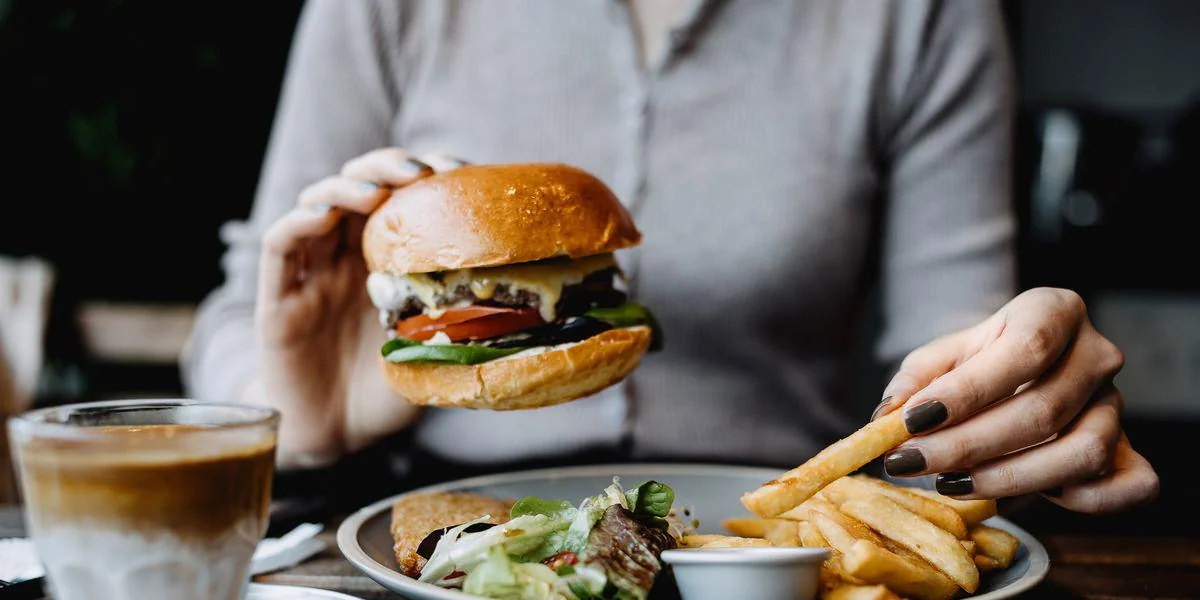
The worst ultra processed foods, according to the American Heart Association (AHA), are products that combine refined starches, added sugars, unhealthy fats, and multiple additives, especially when they are fried or heavily processed. In the AHA breakdown, this list includes chicken nuggets, sausage, hot dogs, sugar sweetened beverages, liquid cheese products, cookies, candies, gummy fruit snacks, refined grain breads, tortillas, dairy based desserts like ice cream, ready to heat refined grain meals such as boxed macaroni and cheese or frozen pizza, and tortilla and potato chips. These ultra processed foods are linked to higher risks of obesity, type 2 diabetes, cardiovascular disease, and other chronic conditions when they make up a large share of your daily diet.
What surprises many people is not that candy or soda are on the list, but that everyday staples like refined bread, tortillas, and tortilla chips can land in the “worst” category when they are highly refined, salted, and fried. The AHA is not saying you can never eat these foods again. The point is that when they become your default school lunch, weeknight dinner, or snack, they can quietly crowd out whole foods your body actually needs.
What are ultra processed foods according to the AHA?
To understand why the AHA singled out certain products as the worst ultra processed foods, it helps to look at how food processing is classified. Many public health groups use a four level framework similar to the NOVA system: unprocessed or minimally processed foods, processed culinary ingredients, processed foods, and ultra processed foods. One of the Reddit comments in the original thread paraphrased this breakdown quite closely.
Unprocessed or minimally processed foods are foods close to their natural state, such as fresh fruit and vegetables, plain grains, eggs, and plain milk. Processed culinary ingredients are items like oils, butter, sugar, and flour that are made from whole foods and used in cooking. Processed foods are relatively simple combinations of these, like canned tuna, some cheeses, or bread made from flour, water, yeast, and salt. Ultra processed foods go a step further and contain cosmetic additives such as artificial colors and flavors, emulsifiers, stabilizers, and preservatives, often combined with refined starches and sugars in forms that are ready to eat or heat.
Ultra processed foods are typically industrial formulations of ingredients, many of them not used in home cooking, that are engineered to be highly palatable, shelf stable, and convenient.
The AHA is focusing on this last category because large observational studies have linked higher intake of ultra processed foods with increased risks of cardiovascular disease, weight gain, and mortality, even after adjusting for total calories and other factors. When the AHA says “worst” here, it is pointing to ultra processed foods that combine several risk raising features at once: refined grains, added sugars, high sodium, and unhealthy fats.
Which specific foods does the AHA list as the worst ultra processed foods?
In the Reddit post, commenters quote the AHA list directly. The worst ultra processed foods include:
- Chicken nuggets (especially fast food or frozen varieties made with reconstituted meat, breading, and industrial oils)
- Sausage and hot dogs (processed meats high in sodium, saturated fat, and preservatives like nitrites)
- Sugar sweetened beverages (sodas, sweetened teas, energy drinks, and fruit punches)
- Liquid cheese products (processed cheese sauces or spreads with added oils, emulsifiers, and salt)
- Cookies, candies, and gummy fruit snacks (sources of concentrated sugar and refined starches)
- Refined grain breads and tortillas (especially those made with white flour, added fats, and conditioners rather than whole grains)
- Dairy based desserts like ice cream (often containing added sugar, cream, and stabilizers)
- Ready to heat meals made with refined grains, high fats, or processed meats, such as boxed macaroni and cheese or frozen pizza
- Tortilla and potato based chips, particularly flavored or heavily fried varieties
The common thread here is not just that these foods are processed. It is that they pack a lot of calories into small portions, are easy to overeat, and usually deliver significant amounts of added sugars, sodium, and saturated or trans fats in one package. In many American households and school cafeterias, as Reddit users pointed out, these are staple items for children, which amplifies the long term concern.
The AHA also distinguishes between these worst offenders and less harmful ultra processed foods, such as tofu, unsweetened soy milk, and low sodium hummus. These can fit into a heart healthy diet because their nutrient profiles look more like whole foods, even though they are technically processed.
Why are tortilla chips, fries, and other fried starches a concern?
Many commenters were surprised or disappointed to see tortillas and tortilla chips singled out. Plain corn tortillas with only corn, water, and lime are relatively simple processed foods. The problem starts when starches are refined, salted, flavored, and especially when they are fried at high temperatures to make chips and similar snacks.
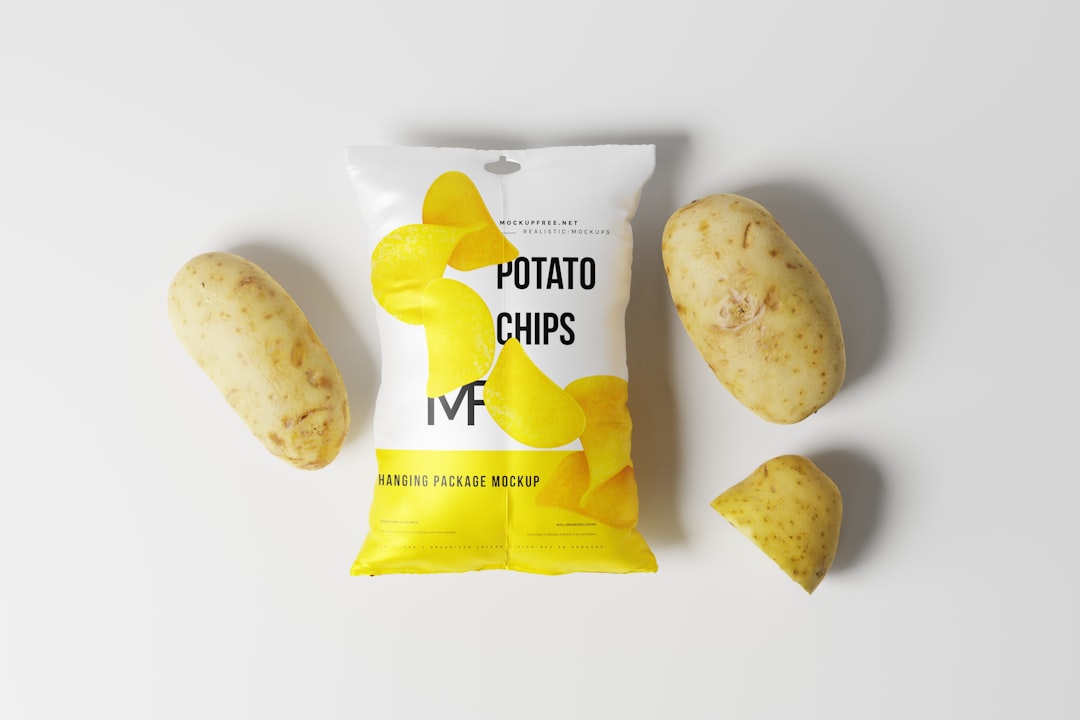
One issue is the combination of refined starch and fat. Frying increases calorie density, and flavored chips are often seasoned with added sugars and high levels of sodium. Another issue is the formation of acrylamide, a chemical that can form in starchy foods during high temperature cooking methods like frying and baking. Health Canada notes that higher levels of acrylamide are found in foods such as French fries and potato and vegetable based chips and crackers, and at lower levels in items like toast, cereals, and cookies.
nutrition/food-safety/chemical-contaminants/food-processing-induced-chemicals/acrylamide.html”>Health Canada explains that acrylamide is formed from naturally present compounds in starchy foods and that exposure to very high doses can cause cancer in experimental animals.
There is no conclusive evidence that the much lower levels of acrylamide in our diet cause cancer in humans, but health agencies consider it a potential concern and recommend keeping exposure as low as reasonably possible.
This is why tortilla and potato chips show up on many guidance lists, including the AHA list of worst ultra processed foods. They combine several downsides: high salt, refined starch, added fats, and, if heavily browned or overcooked, more acrylamide. The Canada.ca guidance suggests practical ways to limit acrylamide by choosing cooking methods like boiling or microwaving for potatoes, or by cooking to a light golden color instead of very dark brown.
None of this means an occasional handful of tortilla chips will ruin your health. It does mean that when fried starch snacks become an everyday habit, the risks add up alongside everything else in your diet and lifestyle.
How can you use this list without becoming afraid of food?
Seeing a long list of favorite foods in a “worst ultra processed foods” category can feel discouraging. The AHA message is not that you must completely eliminate every item on the list, but that you should treat them as occasional extras rather than daily staples. One of the Reddit comments captures the more balanced takeaway: focus on whole foods, and use the list as a guide for what to crowd out over time.
Public health agencies such as Health Canada and the AHA consistently recommend patterns like the Mediterranean style or DASH style diets, which emphasize fruits, vegetables, whole grains, beans, nuts, lean proteins, and unsweetened dairy, while limiting highly processed foods and sugary drinks. Keeping ultra processed foods to a small fraction of your total calorie intake is more important than never touching a particular snack again.
- Swap sugar sweetened beverages for water, sparkling water, or unsweetened tea most of the time.
- Choose whole grain breads and tortillas with short ingredient lists, and save refined white versions for occasional use.
- Replace some processed meats like hot dogs and sausage with beans, lentils, fish, or poultry cooked at home.
- Treat ice cream, cookies, and chips as treats a few times a week, not as everyday desserts or snacks.
According to long term cohort studies cited by the AHA and other heart associations, shifts like these can lower blood pressure, improve cholesterol, and reduce overall cardiovascular risk even if you do not cut out every single ultra processed item. The key is the overall pattern. Eating more whole foods automatically displaces some of the worst ultra processed foods without turning eating into a punishment.
Are all processed foods bad, and what does a balanced approach look like?
It is important to separate processing in general from ultra processing. Pasteurizing milk, freezing vegetables, and pressing olive oil are all processing steps that can make food safer, more convenient, or even more nutritious. As the Reddit discussion noted, foods like tofu, unsweetened soy milk, and low sodium hummus appeared on the AHA “best to include” list despite being processed because their nutrient profiles are favorable and they often help people replace red and processed meats.
A practical way to think about it is to ask three questions when you look at a food label:
- How far is this from the original plant or animal? Short ingredient lists built from recognizable foods usually mean less processing.
- What is the balance of nutrients? Look for lower added sugar, lower sodium, and healthier fats such as unsaturated oils instead of saturated or trans fats.
- How often do I eat this? A food you eat daily has a much bigger influence on your health than something you have once or twice a month.
The AHA focus on worst ultra processed foods is really about shifting your default choices, not demanding perfection.
In practice, that might mean stocking your kitchen with beans, whole grains, frozen vegetables, plain yogurt, and simple tofu or tempeh, while keeping chicken nuggets, boxed macaroni and cheese, and sugary drinks out of the regular shopping rotation. Over time, your taste preferences can adapt, and you may find the ultra processed staples you relied on before become occasional nostalgia foods rather than everyday fuel.