
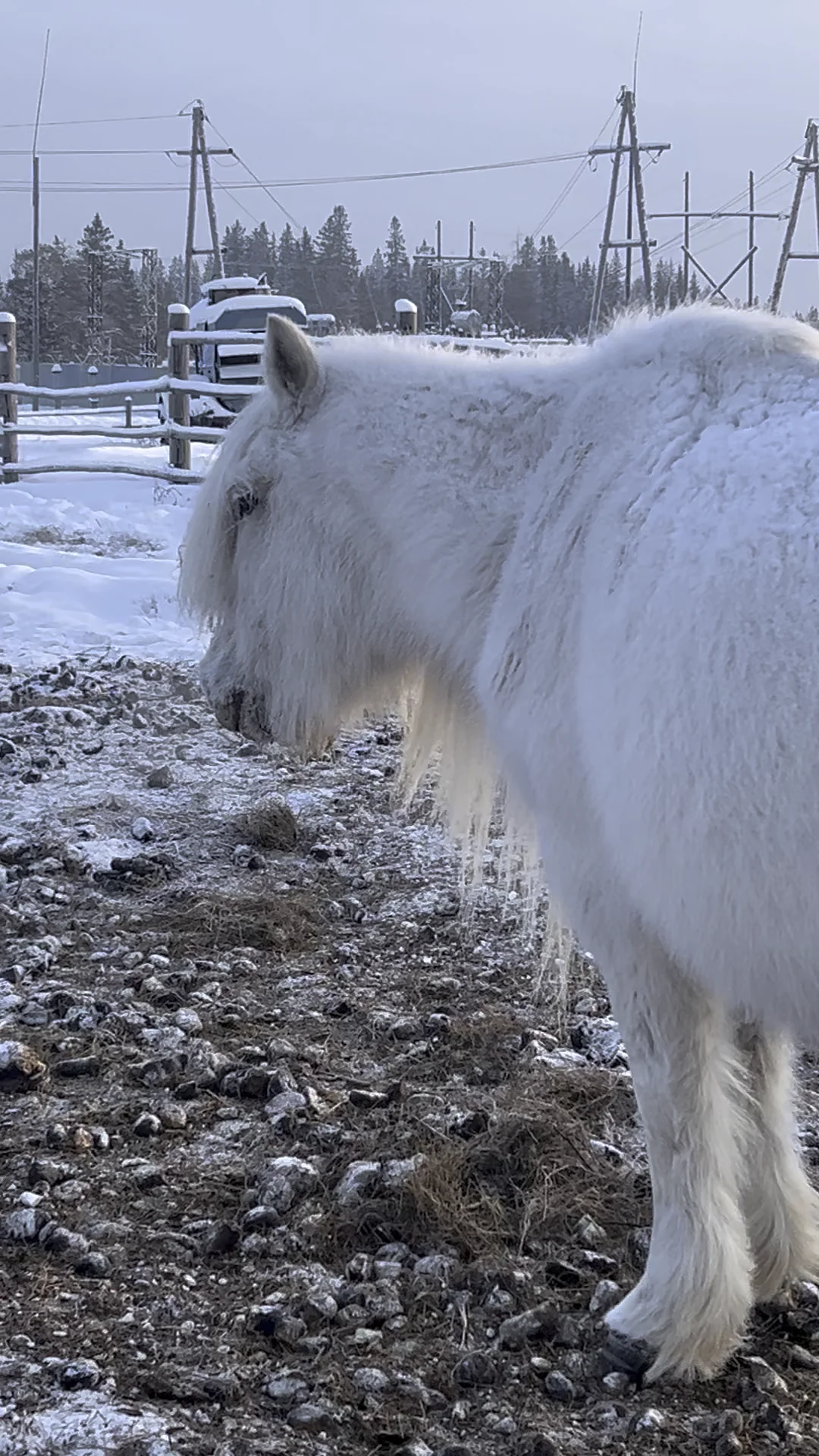
Yakutian horses are a cold adapted horse breed from Siberia that can live outdoors year round in temperatures as low as minus 60 degrees Celsius. The Yakutian horse survives this extreme cold by combining a compact body, a very thick winter coat, large fat reserves, and a metabolism that slows down in winter while the animals dig through deep snow to reach buried grass. Unlike most horse breeds, Yakutian horses routinely graze in open pastures at winter temperatures that can drop even below minus 60 degrees in parts of their native region.
What surprises biologists is how fast these adaptations evolved. Genetic studies suggest that Yakutian horses acquired their extreme cold tolerance in less than 800 years after their ancestors were brought to Siberia, making them one of the fastest documented cases of mammal adaptation to a harsh climate. According to research led by the University of Copenhagen, the same types of genes that changed in Yakutian horses also evolved in Arctic human populations and even in woolly mammoths, which points to a shared evolutionary toolkit for surviving severe cold.[1][2]
What is a Yakutian horse?
The Yakutian horse, often just called the Yakut, is a native horse breed from the Sakha Republic (Yakutia) in northeastern Siberia, Russia. It is a medium sized but very stocky animal, with adult stallions averaging around 140 centimeters at the shoulder and mares about 136 centimeters, and weighing roughly 450 kilograms.[3] Although its size is similar to some ponies, it is classified as a horse rather than a pony.
This breed is famous for tolerating some of the coldest inhabited conditions on Earth. In parts of Yakutia, winter temperatures can drop to minus 60 or even minus 70 degrees Celsius, while summer highs may briefly reach plus 30 degrees. Traditional herding practice keeps Yakutian horses outside all year, in free ranging herds that graze under natural conditions instead of being confined to heated stables.[4] In winter, they dig through snowpack with their hooves and muzzles to uncover dead grass and sedges.
Historically, Yakutian horses were central to the culture and survival of the Yakut (Sakha) people. They provided transport across vast snowy distances, meat, milk for fermented drinks like kumis, hides for clothing, and materials such as horsehair used in ropes and traditional items. Ethnographic accounts note that wealth in older Yakut societies was often measured by the number of horses and cattle a person owned.[5]
How did Yakutian horses evolve to survive minus 60 degrees Celsius?
Genetic and archaeological research indicates that Yakutian horses are not descendants of the wild horses that once lived in Siberia during the Late Pleistocene. Instead, they trace back to domestic horses brought north when the Yakut people migrated into the region between the 13th and 15th centuries CE.[1] This means their extreme cold adaptations appeared in roughly 100 horse generations, an unusually rapid evolutionary shift.
In a 2015 study published in the Proceedings of the National Academy of Sciences, scientists sequenced the genomes of modern Yakutian horses and compared them with other domestic breeds. They found changes in many genes linked to hair growth, skin structure, fat storage, and metabolism, all of which affect how an animal retains heat and uses energy in freezing conditions.[2] Several of these genes show similar patterns in human Siberian groups and woolly mammoths, suggesting convergent evolution where different species independently arrive at similar genetic solutions to the same environmental problem.
Yakutian horses appear to have evolved their cold tolerance in less than 800 years, making them one of the fastest known examples of mammalian adaptation to extreme climate.
Researchers also studied the animals in the field and observed how their physiology changes across seasons. In autumn, Yakutian horses gain significant fat reserves, sometimes adding tens of kilograms of body fat, which insulates them and serves as an energy store for the long winter. In winter, their metabolic rate, breathing rate, and internal heat production all decline relative to summer values, reducing energy demands when food is scarce.[6] This pattern parallels the way some Arctic mammals conserve resources during cold periods.
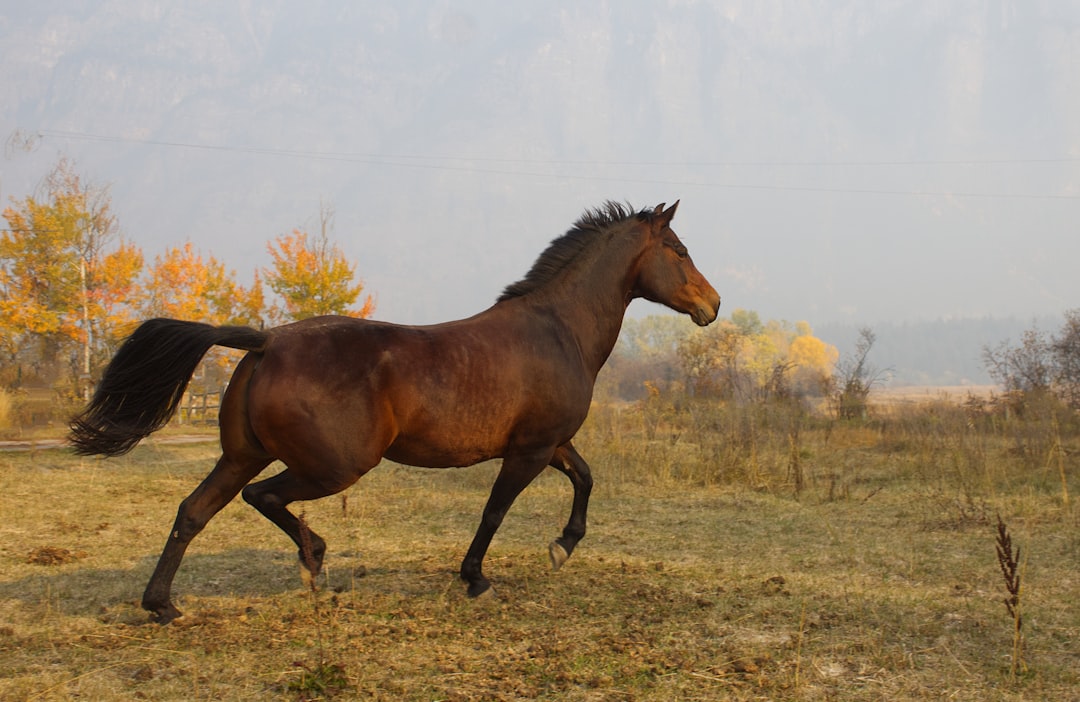
What physical traits help Yakutian horses in extreme cold?
The most obvious adaptation of Yakutian horses to minus 60 degrees Celsius is their winter coat. By late fall, they grow an exceptionally thick double layered coat, with guard hairs that can reach up to 8 to 15 centimeters in length.[3][7] This dense fur traps air close to the skin, creating an insulating layer that reduces heat loss and also protects against biting insects during the short but intense summer.
Their body shape also follows classic ecological rules for cold adapted warm blooded animals. Yakutian horses are compact with relatively short legs, thick necks, small ears, and a sturdy trunk. This reduces their surface area relative to volume, which lowers the rate of heat loss to the environment. Biologists often describe this pattern with Bergmann’s rule (larger body size in colder climates) and Allen’s rule (shorter appendages in cold regions).[3][7]
Internally, these horses accumulate substantial subcutaneous fat during the brief summer, rounding out their body shape. Reports suggest that a well fed adult Yakutian horse can carry up to about 35 kilograms of fat that may be largely consumed over winter.[6] This fat adds insulation and provides energy when grazing is limited by deep snow or severe storms.
The combination of a thick coat, compact body, and seasonal fat reserves allows Yakutian horses to stand for hours in temperatures far below freezing without shelter.
Equally important is their hoof and muzzle structure. Yakutian horses have strong, broad hooves suited to raking away snow and ice. With help from a sensitive sense of smell, they locate buried patches of grass and dig down through snow reportedly up to half a meter deep in many pastures. Traditional herders recognize this behavior as essential to the animals’ winter survival, although in unusually harsh years they may supplement the horses with hay.[5][8]
How do Yakutian horses behave in winter and summer?
Behavioral adaptation is as important as anatomy for Yakutian horses living at minus 60 degrees Celsius. In winter, they often stand with their backs to the wind and huddle in groups, which reduces wind chill on each individual. Because their coat sheds snow instead of letting it melt, snow builds up on their fur as a kind of extra insulating blanket rather than soaking them.
Recent studies of heart rate, body temperature, and movement patterns suggest that Yakutian horses periodically enter a state of torpor in winter. Torpor is a controlled drop in body temperature and metabolism that conserves energy, similar to what is seen in hibernating mammals like ground squirrels and bears. In Yakutian horses it lasts for hours at a time, but the animals remain standing and can move when needed, which has led some researchers and science writers to describe it as “standing hibernation.”[9][10]
Despite their extreme winter hardiness, Yakutian horses still cope well with summer conditions in their native range. In Yakutia, summer temperatures can spike above 30 degrees Celsius during the day, then drop sharply at night. Herders report that the horses graze comfortably through these fluctuations, helped by shedding much of their thick coat in spring and seeking breezier, open areas to reduce insect harassment.[5][4] The coat change is dramatic: by midsummer many individuals look sleeker and smaller than they appeared in full winter fur.
Field observations show Yakutian horses living year round in open pastures, with no need for conventional barns even in intense Siberian winters.
Traditional herds are semi domesticated and structured around a lead stallion, which may guide a group of ten to fifteen mares and their offspring along a habitual grazing route.[4] The stallion’s ability to find accessible winter forage is so important that breeders carefully select for this trait. As a result, behavior and leadership within the herd are part of the overall adaptation package, shaping which horses leave the most descendants.
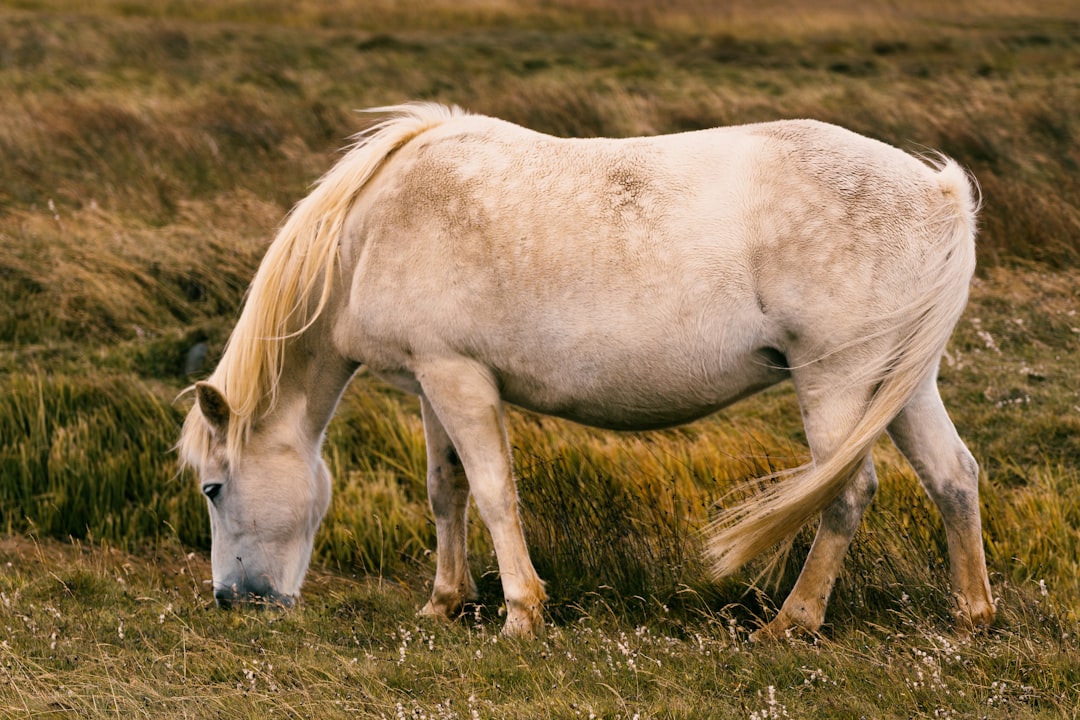
Why are Yakutian horses important for science and climate research?
Yakutian horses matter to scientists for two main reasons. First, they offer a natural experiment in rapid evolution. By showing that a large mammal can adapt genetically and physiologically to minus 60 degrees Celsius in less than a millennium, they challenge the idea that climate adaptations always require very long timescales. This has implications for how researchers think about the ability of wild and domestic species to cope with modern climate change.
Second, they provide a model for understanding shared cold climate strategies across species. The genetic studies that identified changes in Yakutian horses also documented parallels with Arctic humans and mammoths in genes that control insulin signaling, blood vessel constriction, and thermal regulation.[1][2] This convergence suggests that there are recurring molecular paths that evolution tends to use when temperatures drop far below freezing.
There is also a cultural and economic dimension. In Yakutia, horses remain an important part of Indigenous herding systems that are themselves under pressure from shifting weather patterns, changing snow conditions, and economic transitions. A 2024 study in the journal Climate reported that Sakha horse herders already observe more frequent rain on snow events, which can create ice layers that are difficult for horses to break, and they are adapting their grazing routes and supplemental feeding practices in response.[4] Understanding exactly how Yakutian horses find food under snow and manage their energy budgets helps predict which changes could push this system beyond its limits.
Finally, knowledge from Yakutian horses can inform livestock breeding elsewhere. Traits such as efficient winter coats, improved circulation control, and flexible metabolism might help develop hardier breeds in other cold regions. Researchers caution that these traits are complex and controlled by many genes, but the Yakutian horse demonstrates that such combinations are possible and can arise relatively quickly under strong environmental pressure.
Your browser does not support the video tag.