
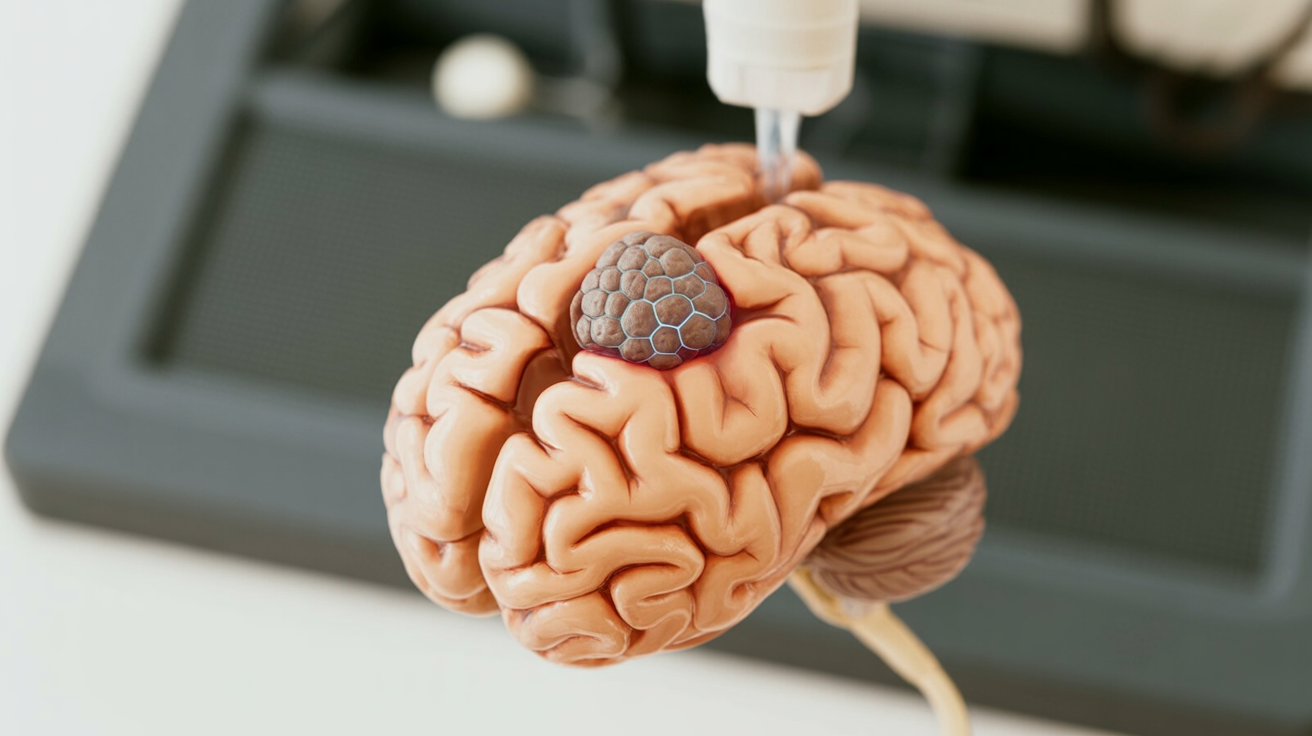
Researchers at the University of Zurich and collaborators reported on September 16, 2025 that stroke stem cells improved long-term recovery in mice after a transplant of human neural progenitor cells one week after stroke. In Nature Communications, the team described better functional recovery plus signs of tissue repair, while the university’s release used the stronger phrase “reverse stroke damage” in mice.
The paper studied a mouse stroke model, not people. The authors also noted that earlier promising stem-cell results in animals have not been confirmed in recent large clinical trials in stroke patients.
Stem cell grafts improved stroke recovery in mice
According to the Nature Communications paper, mice that received the cell grafts showed increased functional recovery compared with sham-treated animals. The study tracked recovery over the long term rather than just the first days after injury.
The paper links the improvement to stroke stem cells in the form of transplanted human neural progenitor cells that survived in the injured mouse brain. The institutional release described smoother movement and better performance on balance and fine-motor tests in treated mice.
The transplanted cells were human neural progenitor cells delivered seven days after stroke
The grafted cells were human iPSC-derived neural progenitor cells. That means they were made from induced pluripotent stem cells, adult human cells reprogrammed into a stem cell-like state, and then guided into an early brain-cell precursor stage.
The researchers transplanted the cells 7 days after stroke into tissue near the infarct, the damaged area caused by blocked blood flow. That timing mattered in the study: the paper reports that earlier transplantation attempts had poor survival, which the release attributed to the highly inflammatory conditions soon after stroke.
The grafts were linked to blood vessels, lower inflammation, and rebuilt connections
The paper says mice with grafts showed “reduced inflammation, enhanced angiogenesis, and increased neuro- and axonogenesis.” In plain terms, the treated brains had less inflammatory activity, more blood-vessel growth, and more signs of new neurons and axon formation.
Over about five weeks, the transplanted cells survived, spread into nearby tissue, and matured mostly into neurons. The paper also reports molecular graft-host crosstalk, signaling between the transplanted cells and the mouse brain, through pathways including neurexin, neuregulin, NCAM, and SLIT.
Those changes were paired with signs that the transplanted stroke stem cells were not just present but integrated into repair processes around the injury. The institutional release also said the treatment strengthened the blood-brain barrier near the stroke site.
The paper’s wording is narrower than the university release
The University of Zurich’s Institute for Regenerative Medicine release said stem cell transplantation can “reverse stroke damage” in mice. The paper itself is more precise. It reports improved long-term functional recovery and regeneration-associated changes in a mouse model.
That difference is visible in the title and abstract. The paper is titled “Neural xenografts contribute to long-term recovery in stroke via molecular graft-host crosstalk,” which is much narrower than a blanket claim of reversal.
The study is also explicitly preclinical. The authors wrote that prior encouraging stem-cell findings in animal stroke models have not been confirmed in recent large human trials.
Stroke burden figures cited alongside the study
The World Health Organization says “1 in 4 adults” are predicted to experience a stroke in their lifetime. The World Stroke Organization uses a closely related wording: “one in four people over age 25” will have a stroke in their lifetime.
WHO also says there were 11.9 million new stroke cases in 2021 and 93.8 million prevalent cases globally in 2021. Those figures describe the scale of stroke worldwide; the mouse study tested one experimental stroke stem cells approach in a lab setting.
Key Takeaways
- A Nature Communications study reported that stroke stem cells improved long-term functional recovery in mice after stroke.
- The transplanted cells were human iPSC-derived neural progenitor cells placed near the stroke injury 7 days after stroke.
- The paper reported reduced inflammation, enhanced angiogenesis, and increased neuro- and axonogenesis in treated mice.
- The University of Zurich release used the phrase “reverse stroke damage,” but the paper itself used more cautious language.
- The work was preclinical and the authors noted that earlier animal stem-cell results have not held up cleanly in recent large human stroke trials.
Further Reading
- Neural xenografts contribute to long-term recovery in stroke via molecular graft-host crosstalk, The primary Nature Communications paper.
- Nature Communications PDF, Full study PDF with methods, timing, and reported outcomes.
- Stem Cells Repair Mouse Brains Post-Stroke, University of Zurich / IREM release with the stronger “reverse stroke damage” framing.
- WHO Stroke Fact Sheet, WHO figures on lifetime stroke risk and global burden.
- WSO Global Stroke Fact Sheet, World Stroke Organization fact sheet with the “one in four people over age 25” wording.