
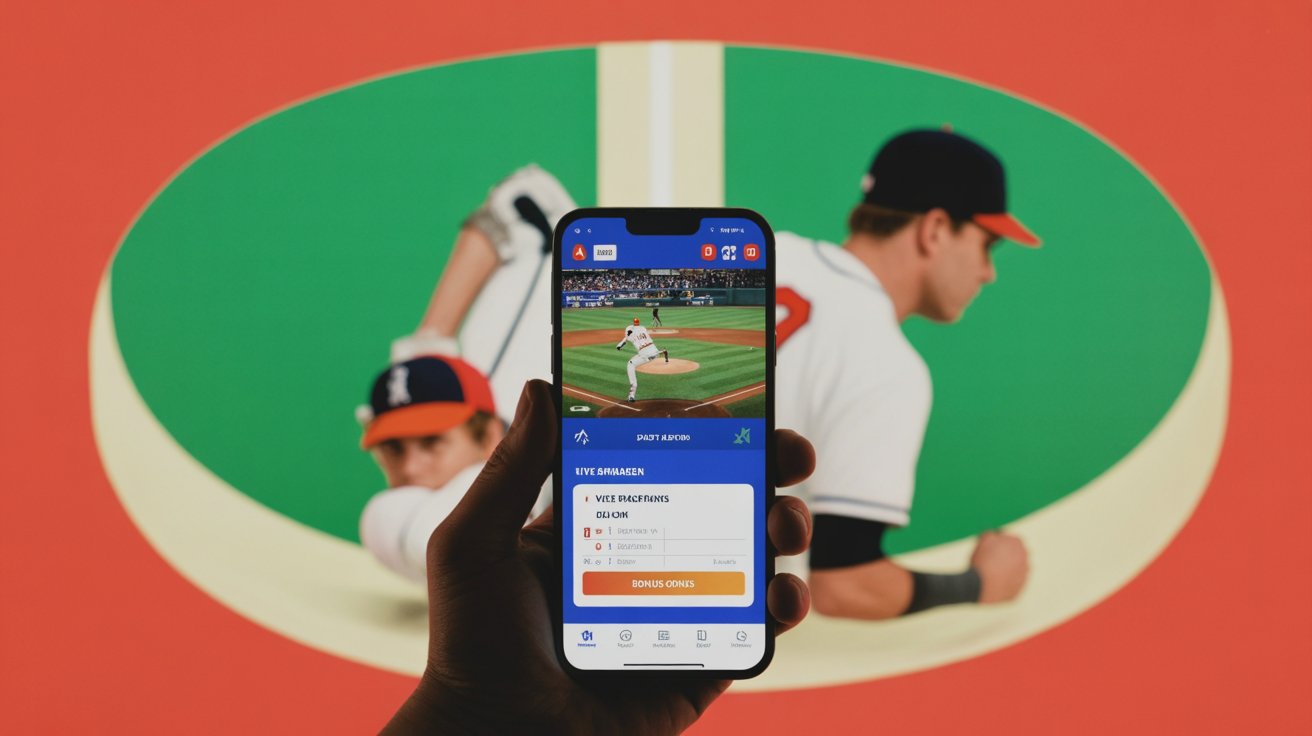
DraftKings invited ProPublica reporter Jake Pearson to try out for VIP status the day after he lost nearly $1,800 chasing basketball bets in April 2026. During his test of the betting app, DraftKings later made him a VIP and gave him betting credits when he offered to deposit more money.
Pearson was deliberately betting in ways that gambling specialists had identified as warning signs. A VIP invitation meant more promotions and, eventually, a person he could contact for perks. ProPublica published his account on September 26; the sequence shows what happened to his account, not why DraftKings selected it.
Timeline
- April 2026, The day after losing nearly $1,800 chasing basketball bets, Pearson received an invitation to the DraftKings VIP Showcase.
- May 7, 2026, DraftKings showed him a responsible-gaming prompt, then promoted live baseball bets hours later.
- May 2026, DraftKings admitted him to its VIP program and assigned him a personal host.
- June 2026, Less than a week after a three-day cool-off ended, his host added $1,250 in betting credits when Pearson offered to deposit $5,000.
- September 16, 2026, New Jersey released its August gambling revenue figures.
- September 26, 2026, ProPublica published Pearson’s 10-week test.
The Showcase was a three-week tryout with weekly promotions. At the end of it, Pearson had deposited $5,800 and gained a host who said he would look for perks tailored to Pearson’s account, as well as send responsible-gaming reminders. The same contact point could serve either purpose.
Pearson had planned the test with advisers, including Isaac Rose-Berman, a professional sports bettor and policy expert at the American Institute for Boys and Men. Rose-Berman thought loss chasing might lead to a VIP invitation. Pearson’s record shows that the invitation arrived the next day; it does not reveal DraftKings’ selection criteria.
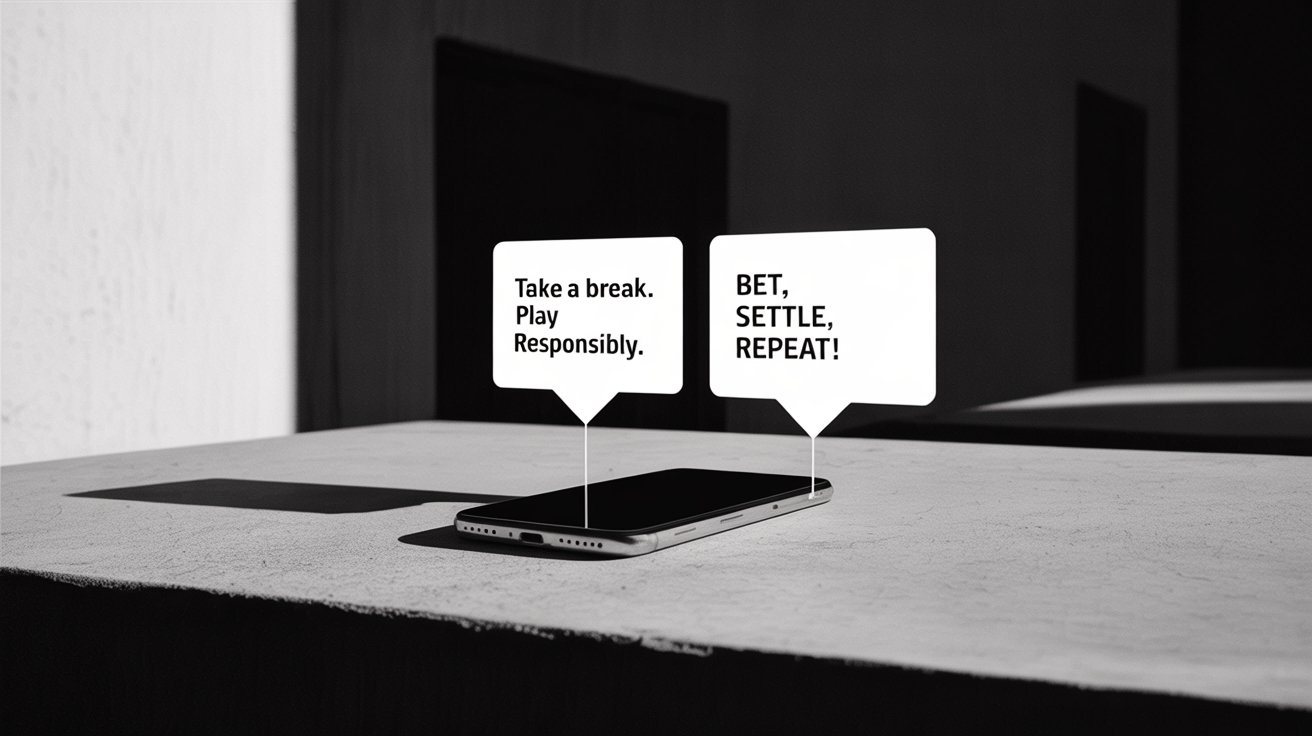
The two messages were particularly close on May 7. After showing Pearson a responsible-gaming video, DraftKings sent him a promotion for repeated live bets on baseball plate appearances: wagers settled within a game, rather than at its end. Its notification said:
“Bet, settle, repeat!”, DraftKings push notification, as reported by Pearson
DraftKings told Pearson it sent 32 responsible-gaming notices during the test, including emails sent to every customer. Pearson counted betting-related notices inside the app on 14 of the 71 days he gambled. He also reported that a three-day cool-off prevented him from logging in and that promotions eased immediately afterward. The pause worked while it was in force. Less than a week after it ended, the VIP host offered the credits alongside Pearson’s proposed deposit.
That offer added $1,250 in betting credits to a $5,000 deposit, credits equal to 25% of the deposit, using the figures Pearson reported. It put another incentive to bet directly into the account he had just chosen to stop using for three days.
The safeguard DraftKings says worked
Lori Kalani, DraftKings’ chief responsible gaming officer, told ProPublica that Pearson’s activity did not trigger manual review. She said the system worked as intended and cautioned against drawing conclusions about other customers from his account. When Pearson asked whether DraftKings closes accounts based solely on betting history, she replied:
“Yes, we do that all the time.”, Lori Kalani, DraftKings chief responsible gaming officer
DraftKings declined to give ProPublica the number of such closures. ProPublica is seeking betting histories from other customers to examine how often apps send promotions and warnings to the same people.
Matthew Gaskell, a gambling-addiction psychologist who advised Pearson’s reporting but was not involved in running his DraftKings account, described the commercial tension: highly active losing bettors can be valuable to sportsbooks. Pearson’s experiment puts a customer record beside that incentive. DraftKings’ warnings and its VIP rewards reached the same bettor, even after he had chased losses and taken a break.

In the quarter ended June 30, 2026, DraftKings reported Sports revenue of $891.9 million, down 10.6% from a year earlier, while the amount customers wagered rose 14.5% to $13.1 billion. Its filing attributes the revenue decline chiefly to customer-friendly results and promotions.
Pearson’s account establishes the narrower finding: a bettor exhibiting warning signs was invited into VIP, received safety messages, took a cool-off, and then received a credit offer to bet again. DraftKings says that history never warranted manual review. It will not say how many customers its safeguards do stop.
Further Reading
- I Posed as a Problem Gambler. DraftKings Made Me a VIP., Pearson’s firsthand account of the test, promotions and safeguards.
- DRAFTKINGS INC. FORM 10-Q, DraftKings’ filing for the quarter ended June 30, 2026.
- DGE Announces August 2026 Gaming Revenue Results, New Jersey’s regulator reports operator revenue figures.