
Note: The tag list supplied here is illustrative only. Please replace tags with the site’s actual allowed tags list before publishing.
Did Māori Really Eat European Sailors, And How Does That Compare To European Cannibalism?
Cannibalism has occurred in both Māori and European history, but usually for very different reasons. In traditional Māori warfare, eating enemies was an example of exocannibalism, aimed at revenge and humiliation of outsiders, and in a few documented incidents this included European sailors. In Europe, by contrast, cannibalism after the Middle Ages appeared mainly in two forms: desperate, famine‑related survival and a long‑running medical trade in human remains, rather than routine eating of enemies as food.
What often surprises people is that Māori cannibalism, though shocking to modern sensibilities, was largely tied to war, utu (reciprocal justice), and spiritual ideas about mana, while early modern Europeans could legally buy ground skull, mummified flesh, or human fat in pharmacies as respectable remedies. Understanding who ate whom, when, and why helps put those Reddit arguments about “who was more savage” into clearer perspective.
What Is Exocannibalism, And How Did Māori Practice It?
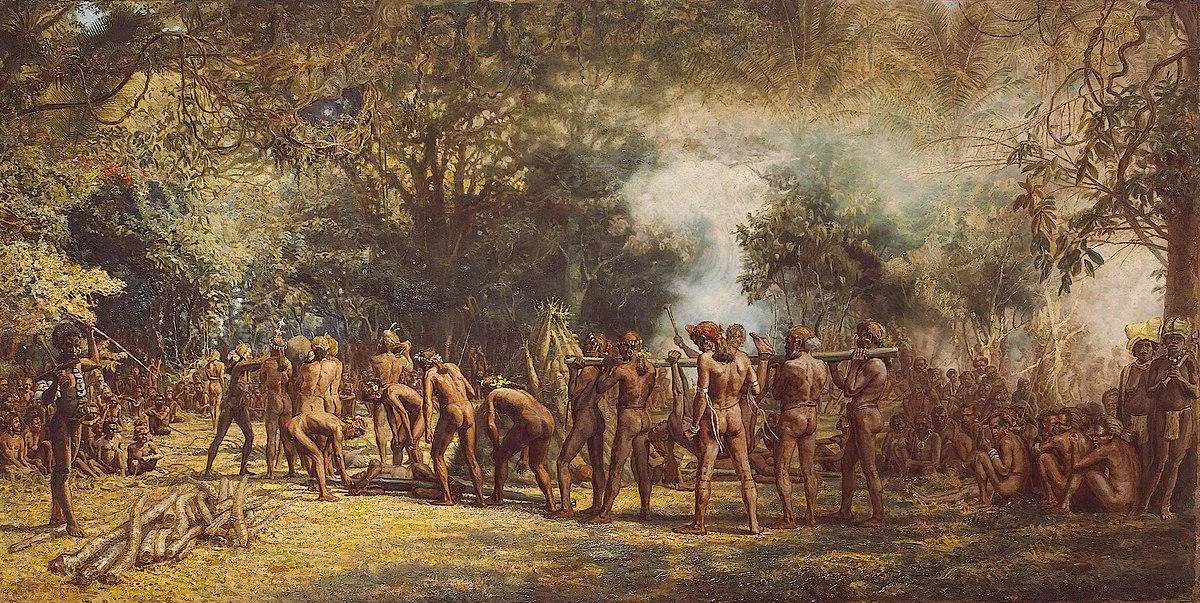
Anthropologists use the term exocannibalism for eating people from outside one’s own social group, such as war captives or traditional enemies. It is distinct from endocannibalism, in which communities ingest parts of their own dead, usually in mourning or funerary rites. Both are forms of ritual cannibalism, different from isolated survival cases during famine.
Exocannibalism is often interpreted as the “ultimate form of humiliation and domination” of a defeated enemy, and has been documented in cultures from the Aztecs to Fijians and Māori.
The exocannibalism entry in the Encyclopedia of Death and Dying and related work by archaeologist John Kantner describe this pattern across many societies: enemies might be killed, dismembered, and partially consumed to display victory, exact revenge, or symbolically absorb their courage, not because human flesh was a staple food. ([en.wikipedia.org](https://en.wikipedia.org/wiki/Boyd_massacre?utm_source=openai))
In Aotearoa New Zealand, historical and oral sources agree that some iwi (tribes) practiced exocannibalism before and during early contact with Europeans. Like the Aztecs, Māori generally restricted this to “traditional enemies” and used it to repay grave insults, such as killing kin or attacking a chief. This is what Reddit commenters were pointing to when they stressed that Māori cannibalism was a war‑based practice, not a delicacy.
Which Early European-Māori Encounters Involved Cannibalism?
1642: Tasman’s first contact did not involve confirmed cannibalism
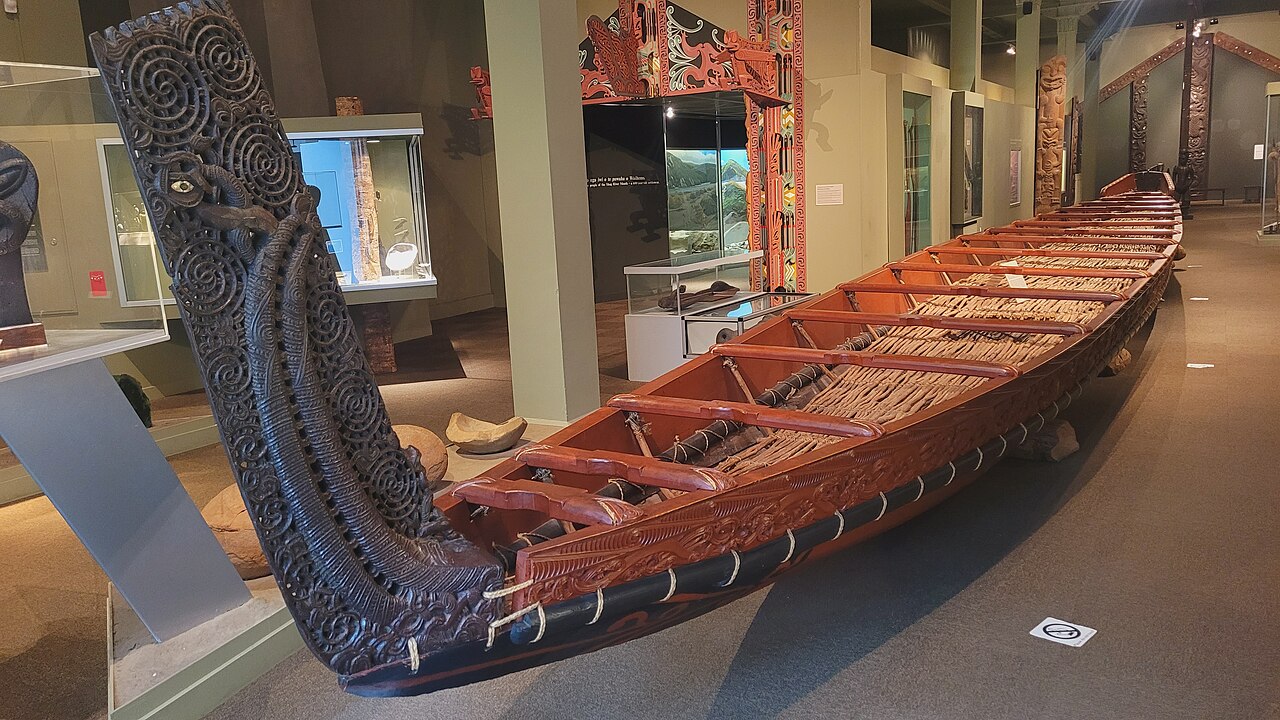
The first known encounter between Māori and Europeans occurred on 18-19 December 1642, when Dutch explorer Abel Tasman anchored in what is now Golden Bay / Mohua. Local Ngāti Tūmatakōkiri came out in waka (canoes), rituals were misunderstood on both sides, a Dutch shore boat was rammed, and four sailors were killed. Tasman fired cannon, then fled and named the place “Murderers’ Bay.” There is no contemporary evidence those Dutch sailors were eaten, only that they were killed during a confused, violent first contact. ([nzhistory.govt.nz](https://nzhistory.govt.nz/page/first-contact-between-maori-and-europeans?utm_source=openai))
1772: The killing of Marion du Fresne
The post you provided appears to conflate several events. The “French explorer & 26 members of his crew” almost certainly refers to Captain Marion du Fresne, killed in the Bay of Islands in June 1772. He and a large shore party were attacked after a series of escalating cultural misunderstandings and breaches of tapu (sacred restrictions), including cutting down sacred trees and fishing in restricted areas. Multiple 18th‑ and 19th‑century accounts, some second‑hand, allege that parts of the French dead were cooked and eaten, though details vary and European writers often sensationalised such stories. New Zealand historians generally accept that cannibalism occurred, but frame it within Māori concepts of utu rather than random savagery.
1809: The Boyd massacre
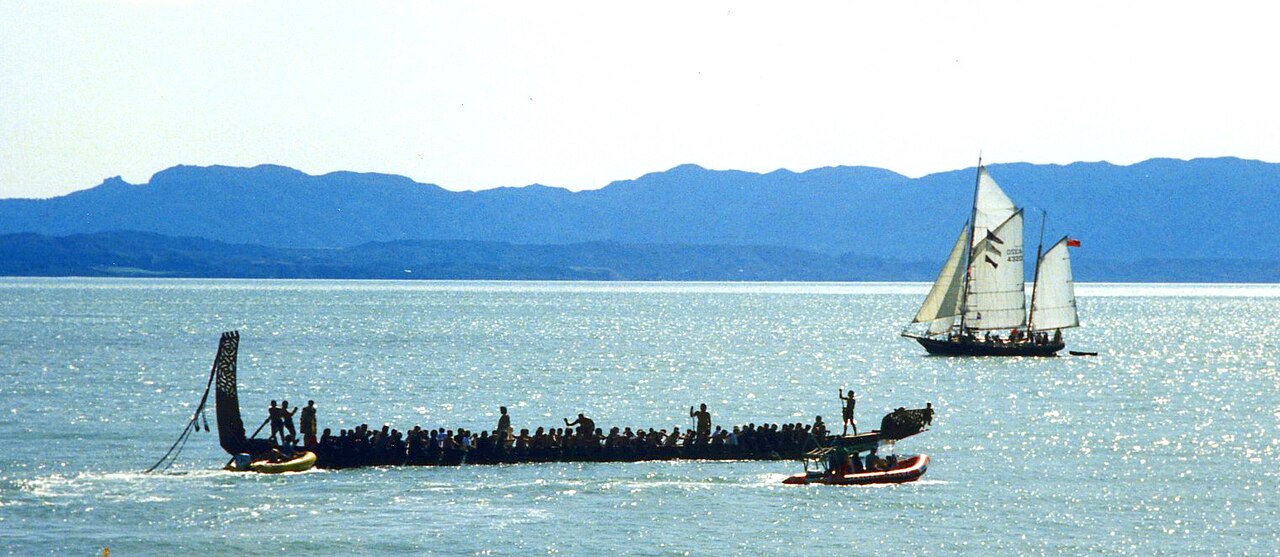
The most thoroughly documented case is the Boyd massacre at Whangaroa Harbour in December 1809. The brig Boyd arrived from Sydney to load kauri spars. On board was Te Ara (also known as George), a young rangatira (chief’s son) of Ngāti Uru returning home. During the voyage, Captain John Thompson had Te Ara flogged with a cat‑o’-nine‑tails and deprived of rations after suspecting him of theft or refusing to work his passage. To a chiefly Māori family, this public beating by a foreigner was a catastrophic loss of mana.
Once ashore, Te Ara showed his whip marks and his people organised a utu attack. Māori tricked the captain and officers into going ashore and killed them, then boarded the ship, killed most of the remaining crew and passengers, and cannibalised many of the bodies. Contemporary European witnesses who arrived soon after, including Alexander Berry of the City of Edinburgh, reported piles of human bones with clear signs of cooking and consumption. ([en.wikipedia.org](https://en.wikipedia.org/wiki/Boyd_massacre?utm_source=openai))
Between about 66 and 70 people died, making this the deadliest single attack on Europeans by Māori. In retaliation, a group of whaling captains later launched an unsanctioned raid on Te Pahi’s pā, mistakenly blaming him and killing between 16 and 60 Māori. The Boyd incident reinforced British images of New Zealand as the “Cannibal Isles” and discouraged shipping and missionary activity for several years. ([nzhistory.govt.nz](https://nzhistory.govt.nz/culture/maori-european-contact-before-1840/the-boyd-incident?utm_source=openai))
Was any of this about hunger?
No. New Zealand’s environment was rich in seafood, birds, and cultivated crops, and there is no evidence of large‑scale famine in the late 18th or early 19th century. A New Zealander joking “we’ve never had a famine” in the Reddit thread is roughly accurate in this context. These killings were about honour, retribution, and spiritual power, not about lacking other food.
How Does European Cannibalism Compare?
Medicinal cannibalism in early modern Europe
One of the most striking contrasts with Māori exocannibalism is the long European tradition of medical cannibalism. From roughly the 1500s into the 18th century, “corpse medicine” was mainstream in many parts of Europe. Physicians, apothecaries, and even kings consumed preparations made from human remains.
For several hundred years, many Europeans “routinely ingested remedies containing human bones, blood and fat as medicine for everything from headaches to epilepsy.”
Historical work by Louise Noble and Richard Sugg, summarised by Smithsonian Magazine, shows that Egyptian mummies were imported, ground up, and sold as drugs; powdered skull was used for head ailments; human fat was applied to wounds and joint pain; and “mummy” or skull tinctures were taken by royalty such as King Charles II of England. Fresh execution‑blood could be bought at the scaffold and drunk by poor patients hoping to cure epilepsy. ([teara.govt.nz](https://teara.govt.nz/en/1966/boyd-massacre-of?utm_source=openai))
Contemporaries knew these remedies were made from human corpses, yet this was seen as respectable medicine. At the same time, European writers denounced New World ritual cannibalism as the height of barbarism, a hypocrisy noted by early observers like Michel de Montaigne and by modern historians alike. ([teara.govt.nz](https://teara.govt.nz/en/1966/boyd-massacre-of?utm_source=openai))
Endocannibalism and prion disease in Papua New Guinea
There is a famous modern example of endocannibalism that sometimes appears in online discussions: the Fore people of Papua New Guinea. Until the mid‑20th century, Fore groups consumed parts of deceased relatives in funerary rites, believing this helped keep the person’s life force within the community. This practice accidentally spread the prion disease kuru, similar to Creutzfeldt-Jakob disease. Once cannibalism stopped in the 1950s-60s under outside pressure, kuru cases dwindled. ([teara.govt.nz](https://teara.govt.nz/en/te-tau-ihu-tribes/page-3?utm_source=openai))
Genetic studies suggest that resistance mutations to prion diseases are surprisingly widespread in modern humans, which some researchers interpret as evidence that ritual cannibalism of some form was not rare in human prehistory, in Europe as well as elsewhere. ([teara.govt.nz](https://teara.govt.nz/en/te-tau-ihu-tribes/page-3?utm_source=openai))
European famine cannibalism
Europe also has periodic records of survival cannibalism in famines, sieges, or shipwrecks, from medieval chronicles to the famous Donner Party case in 19th‑century North America. These were not institutionalised war rituals like Māori exocannibalism or licensed medical trades like corpse medicine; they were desperate acts by starving people and were widely condemned in their own societies.
Were “Europeans Just As Bad”? What Historians Actually Say
Online debates like the Reddit thread you shared often slide into competitive moral accounting: was killing and eating enemies “worse” than enslaving them, pushing them down the Trail of Tears, or building concentration camps? That kind of “whataboutism” tends to obscure, rather than clarify, what we know about each practice.
- Māori exocannibalism was episodic, tied to warfare and utu, and largely ended in the 19th century as Christianity, new economic incentives, and colonial suppression took hold. Pacific Islanders themselves sometimes credited British and French missionaries and settlers with helping end the practice, alongside the adoption of new crops and food systems.
- European corpse medicine was a formally accepted part of early modern pharmacology, backed by physicians and theologians, and persisted in pockets into the 19th and even early 20th century, though it gradually became embarrassing and was reinterpreted as superstition. ([teara.govt.nz](https://teara.govt.nz/en/1966/boyd-massacre-of?utm_source=openai))
- Modern international law now unequivocally condemns both ritual and survival cannibalism when they involve murder or abuse, and also condemns slavery, genocidal deportations, and extermination camps. From a legal and ethical standpoint today, none of these practices is acceptable.
Most historians therefore avoid ranking “who was worse” and instead focus on context and mechanism: Why did specific societies create ritualised cannibalism or corpse medicine; how were those practices justified; who opposed them; and how did they end?
What Does Modern Scholarship Conclude About Cannibalism Myths?
A final complication is that accusations of cannibalism were, and are, an extremely powerful political weapon. European colonisers often exaggerated or outright fabricated claims about Indigenous cannibalism to justify conquest, missionary intervention, or violent “pacification” campaigns. Conversely, some modern writers have tried to argue that all such reports were racist lies, which ignores strong archaeological and first‑hand evidence in cases like the Aztecs, Wari’, or New Zealand incidents.
New Zealand historians such as Paul Moon argue that while traditional Māori cannibalism was real, it was never universal across all iwi and was embedded in coherent ideas of mana, tapu, and utu. Anthropologists who study exocannibalism more broadly emphasise that it is usually symbolic violence directed at outsiders, not a routine dietary choice. ([en.wikipedia.org](https://en.wikipedia.org/wiki/Boyd_massacre?utm_source=openai))
On the European side, historians of medicine have gone back into pharmacy inventories, court records, and physicians’ manuals to show that corpse medicine really was common, and not just a lurid anecdote. The same societies that condemned “savages” for ritual cannibalism were paying good money for ground mummy or skull elixir at the apothecary. ([teara.govt.nz](https://teara.govt.nz/en/1966/boyd-massacre-of?utm_source=openai))
The upshot is that cannibalism, in many different forms, has appeared in a wide range of human societies, including European ones. The specific Māori incidents with Dutch, French, and British sailors are part of that broader human story, but they are best understood as war rituals and revenge killings within Māori cultural logic, not as proof that one civilisation was uniquely “savage.”