
Dr Pepper is a carbonated soft drink with a unique flavor blend that does not fit standard soda categories like cola, root beer, or fruit soda, so many beverage makers and flavor chemists group it into its own informal category called pepper sodas. This category includes Dr Pepper and a handful of similar “spicy cherry” style drinks, such as Mr Pibb and some regional brands, that share a dark color, mild spice notes, and fruit-vanilla flavors instead of the straight cola or root beer taste. In other words, Dr Pepper is its own style of soft drink, built around a complex mix of flavorings rather than a single defining base like cola nut, sassafras, or citrus.
People notice this difference as soon as they try to describe it: fans debate whether it tastes like cherry, almond, BBQ Sprite, or even a “sexy battery”. That confusion is a clue that Dr Pepper is doing something chemically and culturally different from familiar soda categories.
What is Dr Pepper, exactly?
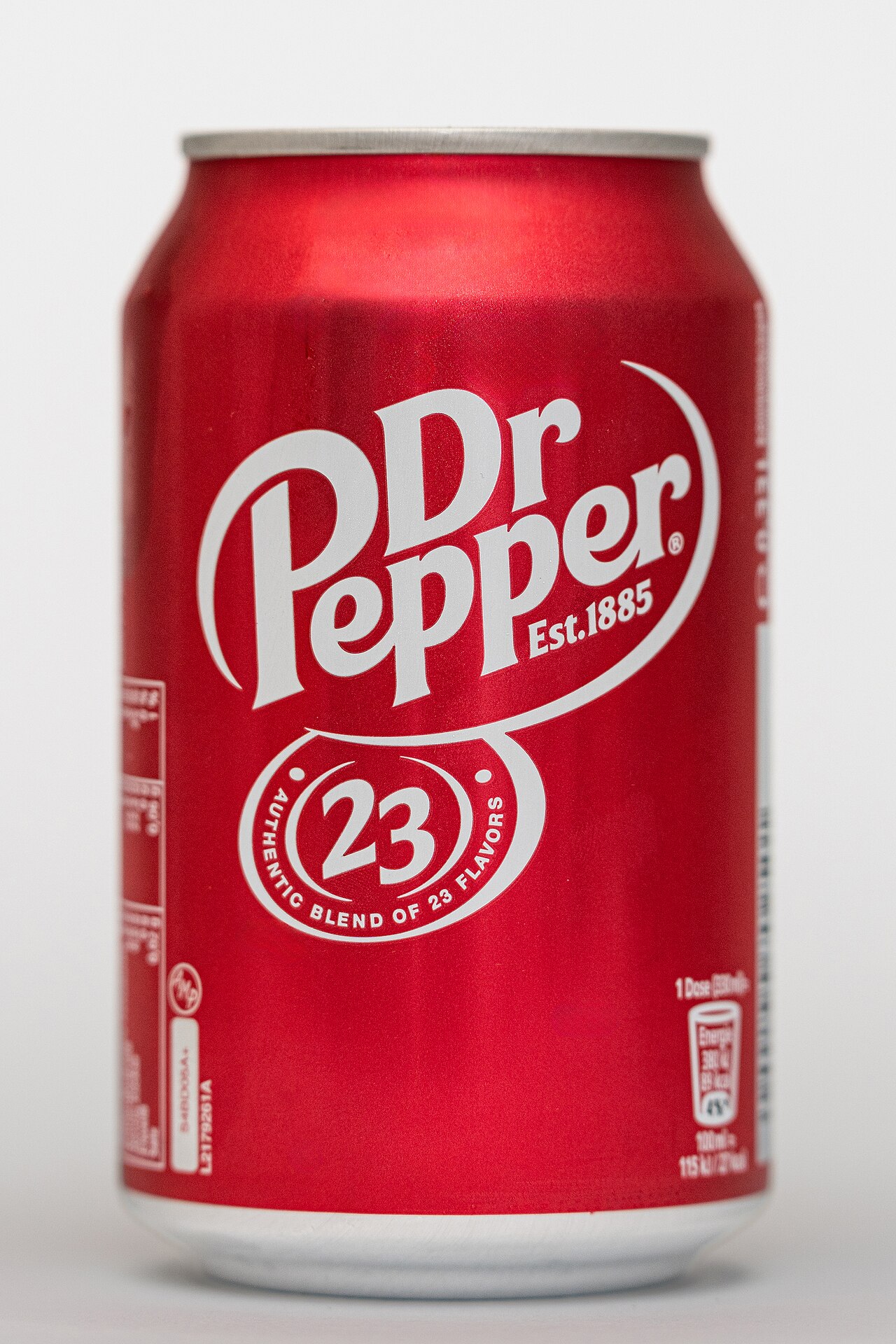
Dr Pepper is a non-cola soft drink introduced in the 1880s in Waco, Texas, developed by pharmacist Charles Alderton. Unlike colas, which are built around cola nut flavor and citrus oils, or root beers, which traditionally use roots and barks like sassafras and sarsaparilla, Dr Pepper is formulated as a blended flavor beverage. The modern brand markets it as a mixture of “23 flavors” rather than tying it to a single plant or flavor base.
Food scientists generally classify sodas by their dominant flavor family: cola, citrus, ginger, root beer/sarsaparilla, fruit, and so on. Dr Pepper does not line up neatly with any of these, because its taste comes from a large set of aromatic compounds that mimic fruits, spices, and confectionery notes all at once. That is why many beverage classification schemes and flavor houses treat it as a pepper soda or simply as “Dr Pepper type” flavor, effectively giving it its own category.
Informally, you will see it described as a dark, cherry-vanilla style soda with light spice. But legally and technically, labels typically call it a “carbonated soft drink” without mentioning cola or root beer, which avoids forcing it into categories that do not match its recipe.
What are pepper sodas and how are they different from colas and root beers?
The term pepper sodas is not a strict regulatory class like “cola” but a practical way for flavor chemists, bottlers, and fans to talk about a small group of similar drinks. Pepper sodas share three key traits:
- A dark color similar to cola or root beer.
- Prominent cherry or stone fruit notes blended with vanilla or almond.
- Light spice or “bite” that people sometimes describe as peppery or medicinal.
In this family you find Dr Pepper, Mr Pibb / Pibb Xtra, and a few regional brands that market themselves as spicy cherry, pepper, or “doctor” style sodas. Mr Pibb, for instance, has been described on labels as a spicy cherry drink, signaling that it is chasing the same flavor profile rather than trying to be a cola.
By contrast, colas like Coca-Cola and Pepsi focus on a core of cola nut flavor and citrus oils, with caramel color and vanilla smoothing the profile. Root beers emphasize aromatic roots and barks, such as wintergreen, sarsaparilla, and historically sassafras, giving them a creamy, herbal taste. Pepper sodas sit in their own space: darker and spicier than fruit sodas, fruitier and less herbal than root beer, and lacking the distinctive cola backbone of Coke-style drinks.
What are the 23 flavors in Dr Pepper?

Dr Pepper famously advertises itself as containing “a blend of 23 flavors,” but the exact formula is a trade secret stored in the company vault. Over the years, fans have tried to reverse engineer the recipe. One widely shared list suggests components like cola, cherry, licorice, amaretto, almond, vanilla, blackberry, apricot, caramel, pepper, anise, sarsaparilla, ginger, molasses, lemon, plum, orange, nutmeg, cardamom, allspice, coriander, juniper, birch, and prickly ash. This kind of list is speculative but it matches what flavor chemists actually do: build complex tastes from many overlapping notes.
Many tasters sum up the flavor as “cherry and almond” or a liquid bakewell tart, which fits with the idea that Dr Pepper leans on cherry, vanilla, and nutty amaretto-like aromatics layered with spice.
From a chemistry perspective, those “flavors” are really collections of volatile molecules that stimulate smell and taste receptors in specific patterns. A cherry note might come from benzaldehyde derivatives, almond from similar aromatic aldehydes, and spice from eugenol-like compounds. Even if the brand never confirms exact ingredients, the sensory profile people report, such as black cherry, amaretto, and mild pepper, strongly suggests a composite of fruit esters, vanilla, nut flavors, and spice oils.
The “23 flavors” claim, then, is less about counting literal ingredients and more about signaling that this is a multi-layered flavor system rather than a simple lemon-lime or orange soda.
How was Dr Pepper invented and why does it taste so unusual?
Historically, Dr Pepper comes from late 19th century American soda fountain culture, when pharmacists often created flavored syrups that blurred the lines between medicine and confectionery. Charles Alderton, working at Morrison’s Old Corner Drug Store in Waco, reportedly experimented with flavor combinations inspired by the mixed aromas of the store’s soda fountain. The goal was not to imitate cola or root beer, but to bottle the overall smell of many syrups in one drink.
You can think of Dr Pepper as a “graveyard” or “suicide” drink that has been formalized: a deliberate blend of many fountain flavors stabilized into a single reproducible recipe.
This origin helps explain why Dr Pepper strikes many people as medicinal or reminiscent of old cough syrups and herbal remedies, especially outside the United States. In Japan, for instance, packaging has referred to a mix of over 20 fruit flavors, and some drinkers say it reminds them of traditional Chinese medicines they took as children. That reaction is a product of cultural context: many herbal elixirs and tonics historically used the same fruits, spices, and aromatics now found in soft drinks.
Because it developed independently of the big cola brands, Dr Pepper kept its flavor identity as the soft drink market standardized. When companies later tried to create competitors, they did not call them colas; they marketed them explicitly as “Doctor” or “pepper” style drinks, which reinforced the idea that this was a distinct taste family.
Why do some people describe Dr Pepper as medicinal, peppery, or like BBQ Sprite?
Dr Pepper polarizes drinkers, and the colorful metaphors people use for it actually line up with what is happening at the sensory level. The medicinal impression comes from overlap between the flavorings used in vintage patent medicines and those used in modern sodas: cherry, anise, sarsaparilla, and various aromatic herbs. For people who grew up taking cough syrups or herbal tonics flavored with similar compounds, Dr Pepper can trigger those memories strongly.
The idea that it tastes like BBQ Sprite or spicy cola speaks to the balance of sweet, acidic, and smoky-spicy notes. Compared to a lemon-lime soda, Dr Pepper has more caramel color, deeper fruit flavors, and trace amounts of spice or bitter components that create a slight “charred” impression. It is not literally smoky, but the brain often reuses flavor labels from barbecue sauces, grilled foods, or spiced drinks when it encounters unfamiliar combinations of sweetness, acidity, and aromatics.
Descriptions like “sexy battery” or “BBQ water” are jokes, but they point toward the same phenomenon: Dr Pepper does not have a single obvious reference flavor. Flavor perception research in psychology shows that when people cannot easily map a taste onto a familiar category, they reach for metaphor and humor. That is exactly what you see in the way fans talk about Dr Pepper and other pepper sodas.
Is Dr Pepper healthier or less healthy than other sodas?
From a nutrition and public health perspective, Dr Pepper is broadly similar to other regular soft drinks. A standard 12 ounce (355 milliliter) can typically contains around 150 calories, almost all from added sugars, plus caffeine and acidity comparable to popular colas. The American Heart Association and other public health organizations recommend limiting intake of sugar-sweetened beverages in general because high consumption is linked to weight gain, type 2 diabetes, and dental problems over time.
The unique flavor does not make Dr Pepper intrinsically better or worse for you than a cola or root beer. What matters are the same factors that apply to any soda: total sugar intake, frequency of consumption, overall diet, and dental hygiene. Diet versions that replace sugar with artificial sweeteners cut calories significantly, but then raise the separate question of how much diet soda is appropriate in a balanced diet. Current evidence suggests that moderate consumption of either sugared or diet soft drinks can fit into many people’s lifestyles, but large daily intakes are discouraged by most nutrition and public health guidelines.
If you enjoy Dr Pepper or other pepper sodas, the same common sense advice applies as with any soft drink: treat them as an occasional treat rather than a primary hydration source, balance them with water and unsweetened beverages, and be mindful of total added sugar across your day.