
Festus, Missouri just gave us a cleaner read on data center backlash than most national trend pieces do. A city council approved a roughly $6 billion data center project on more than 300 acres in a 6-2 vote on March 30. Eight days later, voters removed all four incumbents on the ballot.
The standard story is that people hate the size, power use, and water demand of AI infrastructure. Those objections are real. But the Festus record points to something more politically durable: residents appear to have concluded the process itself was captured.
That is the important part. When opposition is about noise or traffic, you get angry hearings. When opposition is about legitimacy, you get election losses, recall drives, and lawsuits.
Why Missouri’s data center backlash matters now
The verified facts are unusually stark.
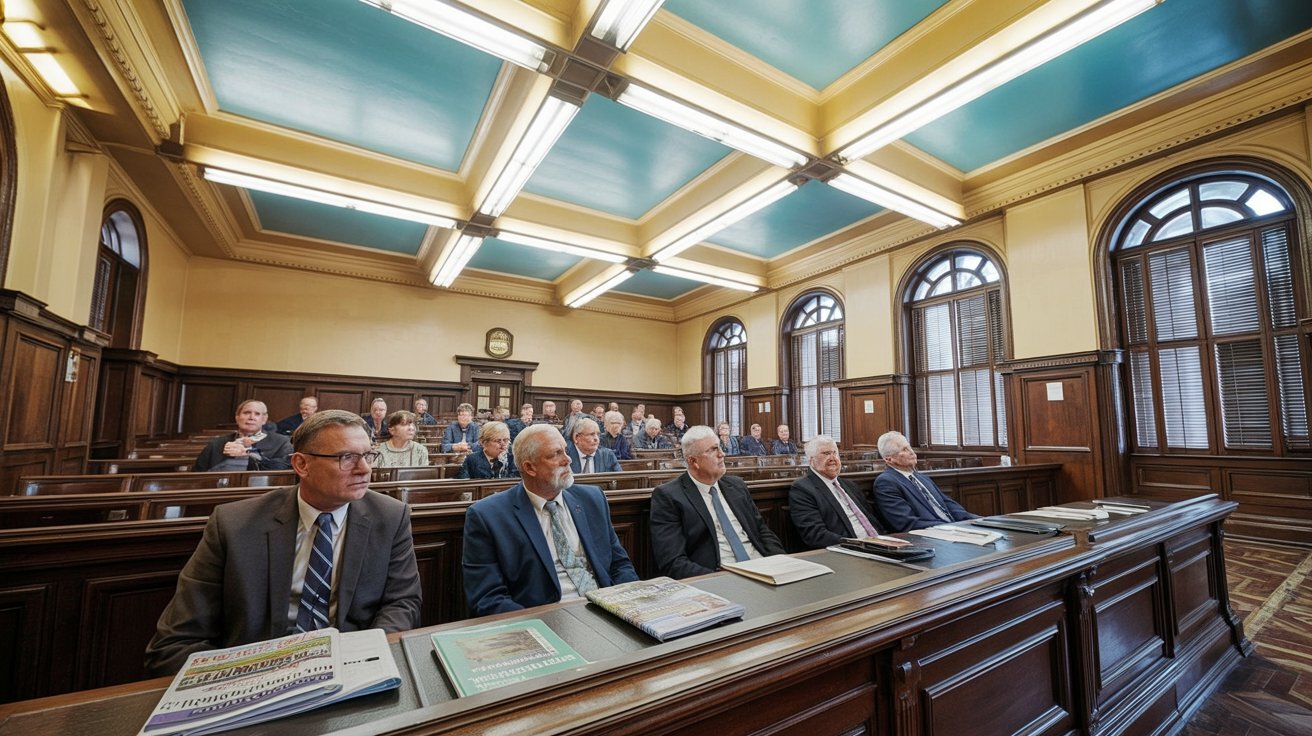
Local coverage says the Festus council approved the development agreement for the project in a 6-2 vote, after a meeting with more than 100 attendees. Thirty-nine people signed up to speak, but only 28 got to because the city imposed a two-hour limit. Those details are confirmed by local reporting from MyMoInfo and syndicated local coverage.
Then came the election. Spectrum News reports that on April 7, Festus voters ousted Jimmy Collier, Brian Wehner, Bobby Venz, and Jim Tinnin, all four incumbents on the ballot. Turnout was reportedly 129% higher than the April 2025 municipal election. That is not normal drift. That is a single issue scrambling a local race.
I started this expecting the main story to be project scale. A $6 billion development in a town of under 14,000 people is obviously going to alarm residents. But scale alone does not usually produce this sequence that quickly: approval, electoral wipeout, then litigation in four days.
The sequence matters because it shows data center backlash turning into a governance problem. We have seen local fights over substations, transmission lines, and industrial sites before. What Festus adds is the speed with which an infrastructure dispute became a referendum on whether city hall was acting in public at all.
What Festus voters actually rejected

The cleanest evidence here is what residents said before the election and what they did during it.
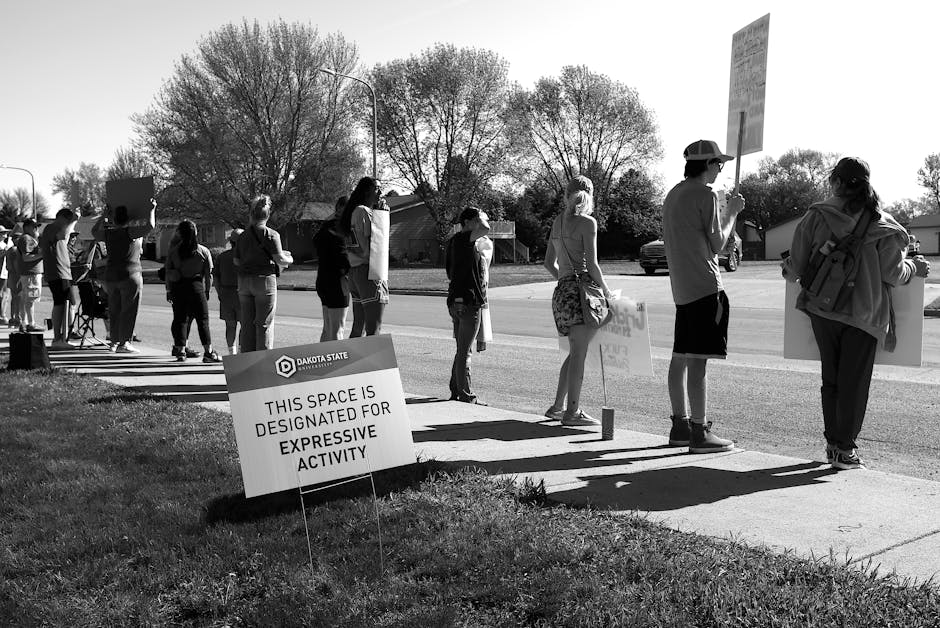
Before the vote, local reporting described objections around water use, electricity demand, environmental impact, zoning, and scale. An earlier petition reportedly gathered 1,400+ signatures. Those concerns are well within the expected playbook for community opposition to data centers.
But if this were only a utilities fight, you would expect elected officials to survive by promising mitigation: traffic plans, water studies, maybe a phased build. Instead, all four incumbents on the ballot lost.
That outcome suggests voters were rejecting more than the project. They were rejecting the way it was advanced. The strongest evidence for that comes from the lawsuit filed by Wake Up JeffCo and four property owners. KBIA reports that the suit seeks to reverse both the rezoning and the development agreement with developer CRG, alleging unlawful private meetings and efforts to evade Missouri’s Sunshine Law.
A lawsuit is not proof that those allegations are true. That needs to be said plainly. The election confirms political anger; it does not independently confirm illegal process. The suit adds something different: a concrete legal theory for why the approvals should be unwound.
That distinction matters. Elections tell you residents were mad. A Sunshine Law lawsuit tells you where they think the process broke.
The real issue is process, not just power use
The easiest mistake here is to read Festus as another story about AI infrastructure being too big, too thirsty, or too power-hungry for local communities. Those factors are real and repeatedly cited in reporting. They are not enough to explain the intensity.
What makes a project politically toxic is often the combination: giant scale, fast approvals, rezoning, limited public comment, and signs that officials think public opposition is something to be managed rather than answered. Once residents believe that, every technical issue becomes evidence of bad faith.
That is why the reported details around procedure matter so much. A meeting where 39 people sign up to speak and 11 never get their turn because the clock ran out is not automatically illegitimate. But in a fight over data center zoning, it is exactly the sort of thing that convinces people the decision was already made.
And once that belief sets in, the project stops being about one parcel of land. It becomes a test of who governs the town.
We have seen this pattern in other infrastructure fights. The fight is never just over megawatts. It is over whether locals feel they are being informed, negotiated with, or routed around. That is also why local land-use politics now sits much closer to the broader AI legitimacy problem than many tech companies seem to realize. If your buildout depends on public trust, acting like permitting is a paperwork exercise is a good way to discover otherwise.
For readers tracking the operational side of critical infrastructure, this is adjacent to a bigger theme we have covered in Industrial Control Systems: infrastructure risk is rarely just technical. Governance failures create their own attack surface.
Why this could spread beyond one Missouri town
Festus is verified as one town, not yet a national dataset. We should be careful here.
What is confirmed: a major project was approved; four incumbents were voted out; a lawsuit was filed challenging rezoning and alleging closed-door conduct. What is plausible, based on reporting from Festus and similar disputes elsewhere, is that AI data center opposition is getting stickier when residents see local process as compromised.
That would fit the broader pattern. Secondary reporting points to fights in places like Prince George’s County, New Brunswick, St. Charles, and Foristell. I would not treat those as one unified wave without a deeper count. But the directional signal is hard to miss: these disputes are moving beyond planning commission hearings into elections, referenda, and courts.
That changes the strategic problem for developers and local officials. The old assumption was that opposition could be contained inside a zoning calendar. Festus suggests otherwise. A rushed approval can create a much larger political bill later.
There is also a lesson here for places trying to cash in on AI buildouts. The pitch is familiar: jobs, tax base, prestige, future-proofing. Sometimes it works. But the places that handle it badly are creating a counter-model other towns will copy. Not “how to attract a data center,” but how to stop one, through turnout, recall pressure, and procedural litigation.
We have seen variants of this before in local fights over tech money and political legitimacy. The NZ Town Subsidising Silicon Valley’s AI Boom showed how incentives can look very different once locals ask who the upside is really for. Billionaires Influence California Politics made the same point from the campaign-finance side. Process is where these stories stop being local quirks and start becoming durable opposition.
Data center backlash becomes durable when people stop trusting the referees
The most important thing Festus reveals is not that residents dislike giant AI facilities. Plenty of towns dislike giant industrial projects. The difference here is that opposition escalated after approval, not before it ended.
That usually means people are no longer arguing only about the project. They are arguing about whether the referees are still neutral.
Once that happens, the fight gets harder to settle with technical concessions. More studies, more landscaping, and more polished PR do not fix a trust collapse. They often make it look worse.
For the AI industry, that is the real update. Data center backlash is no longer just about power and water. It is about who gets to decide, in public, and whether anyone believes them afterward.
Key Takeaways
- Festus turned data center backlash into a local political wipeout: four incumbents lost just days after approving the project.
- The confirmed objections included water, electricity, scale, and zoning, but the sharper trigger appears to be process and legitimacy.
- The lawsuit does not prove wrongdoing, but it adds a legal challenge to the political one by targeting rezoning, the development agreement, and alleged Sunshine Law violations.
- The strategic risk for AI infrastructure is shifting from permitting friction to trust collapse.
- Once residents think the process was captured, data center fights move from hearings to elections and courtrooms.
Further Reading
- Data Center Opposition Group Sues Festus and Proposed Developer, KBIA’s reporting on the lawsuit, rezoning challenge, and alleged Sunshine Law violations.
- Festus Council Members Ousted in Tuesday’s Election, Local TV coverage of the April 7 election and the defeat of all four incumbents on the ballot.
- City of Festus Passes Development and Agreement Ordinance with CRG for Data Center, Local reporting on the approval meeting, speaker limits, and resident concerns.
- Festus City Council Approves Data Center Agreement, Syndicated local coverage of the approval vote and project scale.
- Small Missouri town ousts half its city council after $6 billion AI data center approval, A secondary synthesis placing Festus in the broader AI infrastructure backlash story.
The next fights over AI infrastructure will still be argued in megawatts and gallons. They will be decided on whether anyone trusts city hall.