
Canva has lost four senior leaders in the same month as it pushes harder to remake itself around AI features, a timing clash that makes the company’s new direction look less like routine product evolution and more like a stressed strategic turn.
Reporting from The Aussie Corporate says growth lead Iain Dowling resigned on Monday after eight years in senior roles, senior engineering director Jonathan Ross is due to leave at the end of the month, head of design Andrew Green departed days after Canva’s Create event in Los Angeles, and chief technology officer Brendan Humphreys also chose to leave.
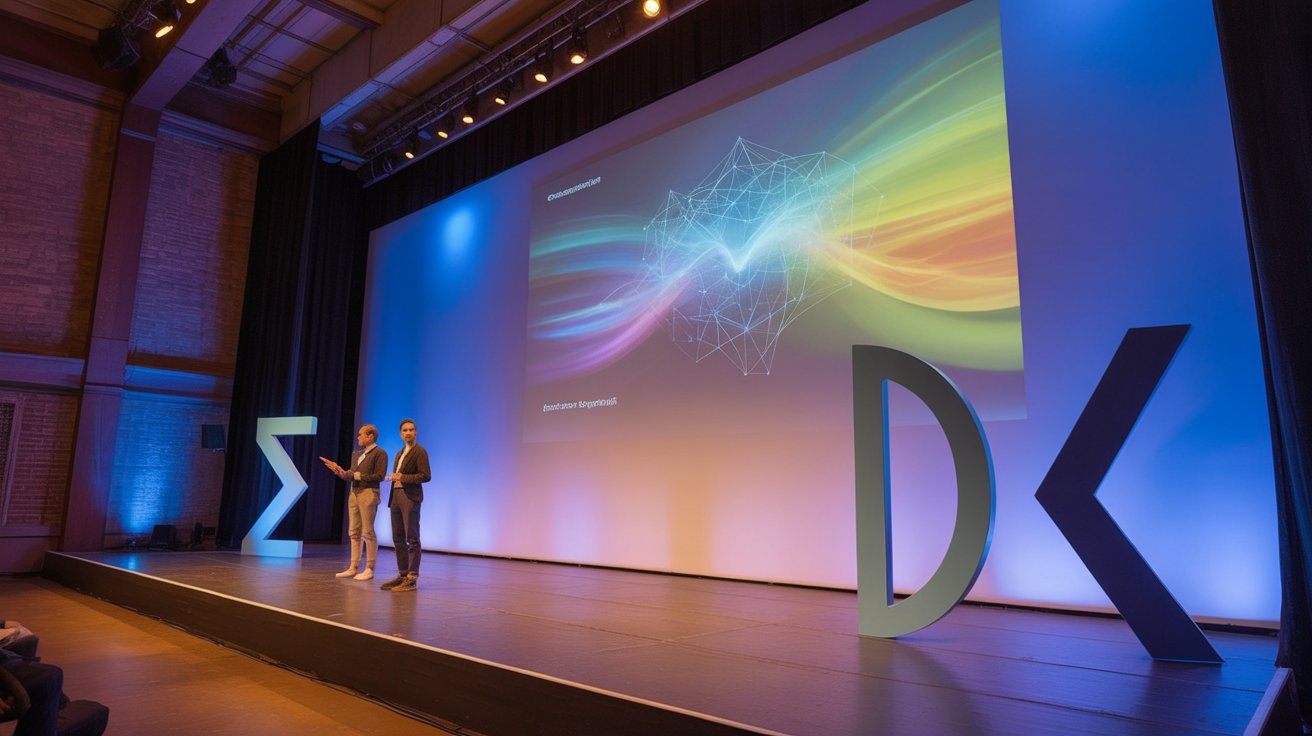
At Create, Canva used its flagship conference to signal that AI-generated content and automation would sit closer to the centre of its roadmap. That matters because Canva’s original strength was unusually clear: easy, template-based design for non-designers. An AI layer can look like acceleration from the stage. It can also look like the kind of commodity move that turns a product moat into a billing story.
The exits are especially notable because they span product growth, design, engineering and core technology rather than a single function. Humphreys, in particular, was described by The Aussie Corporate as foundational to Canva’s technology culture after joining in the company’s early days. Canva has replaced him with platforms head Simon Newton, his deputy, which suggests continuity at the org chart level even as the company changes direction.
That direction has already shown up in pricing. TechCrunch reported in September 2024 that legacy Canva Teams subscribers faced a 300 per cent increase for a five-person plan, from $119.99 a year to $500 a year, with the company tying the higher bill to expanded AI features. Fortune reported the same week that Canva said the increase was attributable to new features, especially AI-powered ones.
Computerworld separately reported that some US customers saw increases of up to 320 per cent, again linked to Canva’s newer AI tools including Magic Studio. If you are looking for the plainest version of the thesis here, that is probably it: the company is not merely adding AI features, it has already shown a willingness to use them as the justification for a much more aggressive monetisation push.
Capital Brief has also described Canva’s shift as a more radical business-model change, from traditional SaaS towards a system built around AI credits, while noting that the company’s IPO has been pushed back. That does not prove collapse on its own. But paired with clustered senior departures and steep AI-linked price rises, it is the kind of pattern that tends to get described as transformation right until investors start calling it strain.
The broader sector context is not flattering. Thin AI-wrapper businesses have become a visibly weaker category as model providers absorb more features themselves and customers get less interested in paying a premium for a prettier front end. We have already seen that dynamic in other parts of the market, including our coverage of AI wrapper startups and the Builder.ai business model collapse. Canva is much larger than those companies, but the strategic risk is the same one in fancier clothes: moving from a differentiated product into a layer that gets commoditised fast.
There is a more charitable reading, which is that Canva is doing what every design platform now feels forced to do as models get folded into mainstream software. We noted that pressure recently in Claude Design Forces Canva and Figma to Become AI Platforms. The less charitable reading is that the company is trying to monetise the pivot hard and fast while key insiders head for the door.
The next useful signal is not another stage demo. It is pricing and delivery over the next two quarters: whether Canva pushes Pro, Teams or Enterprise higher again, and whether the product improvements arrive fast enough to make those increases look like investment rather than harvest. It is the pattern that tends to play out when companies know the end is near: spike prices on locked-in customers, ship a new narrative for acquirers, exit before the numbers catch up.
Key Takeaways
- Four senior Canva leaders are reported to be leaving in the same month during the company’s AI push.
- The departures include CTO Brendan Humphreys, growth lead Iain Dowling, head of design Andrew Green and senior engineering director Jonathan Ross.
- Canva’s
Createevent in Los Angeles showcased AI-generated content and automation as a larger part of the roadmap. - Independent reporting in 2024 said Canva raised some Teams prices by 300 per cent to 320 per cent and linked the increase to AI features.
- Capital Brief has described Canva as shifting from a SaaS model towards one built around AI credits.
Further Reading
- Canva wants you to pay a lot more for its AI features, TechCrunch on Canva’s steep Teams price increase tied to AI features.
- Canva hikes Teams price up to 300%, cites AI features, Fortune on Canva attributing price hikes to AI additions.
- Canva raises prices by 320% for US customers, Computerworld on US price increases linked to Magic Studio and other AI tools.
- Canva topic page, Capital Brief topic page covering Canva’s delayed IPO and shift toward AI credits.