
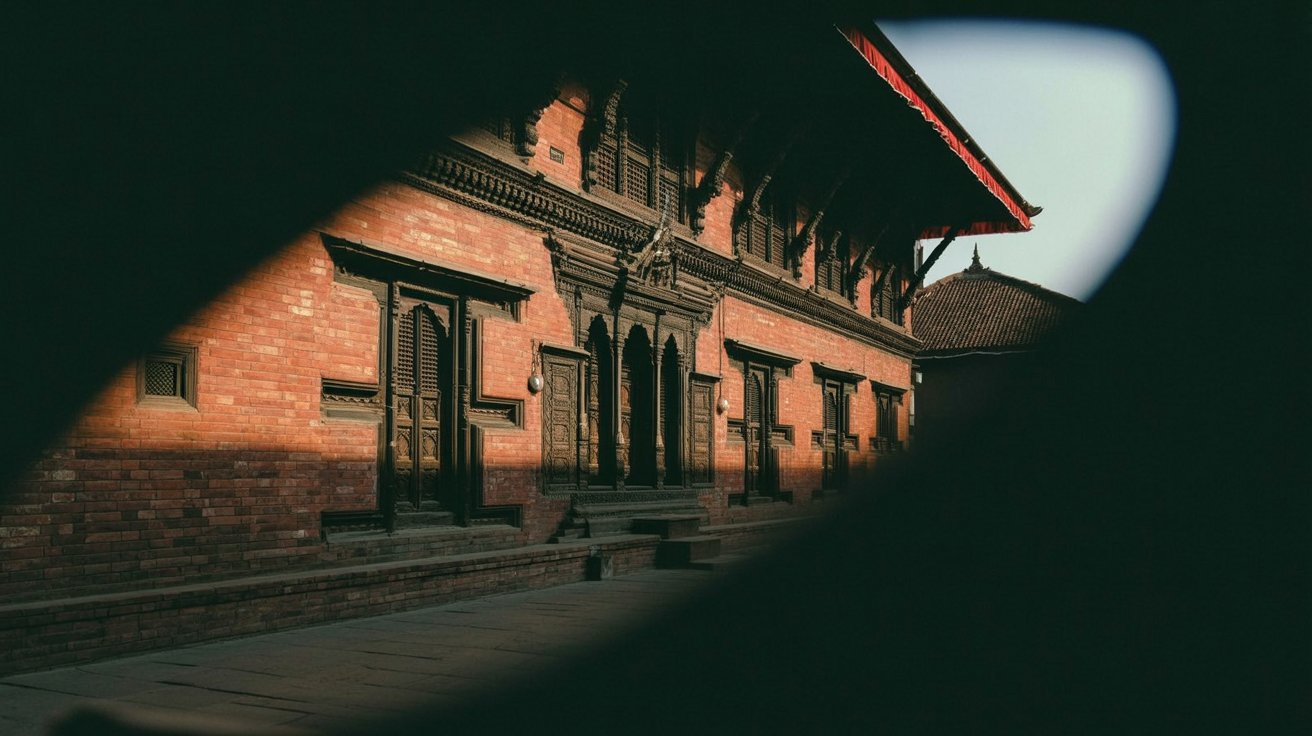
The Kumari of Nepal is a prepubescent Newar Shakya girl chosen to embody Taleju Bhawani, worshipped as a living goddess, and replaced when she reaches puberty or otherwise sheds blood. In Kathmandu, the royal Kumari lives in Kumari Ghar, appears publicly during festivals including Indra Jatra, and remains one of the most visible surviving religious traditions in the Kathmandu Valley.
The short version is simple. A child is installed as a divine presence for a time, then returns to ordinary life when that ritual purity ends. It sounds almost mythic, but it is also an operating public institution with a residence, caretakers, festival duties, and state recognition in Nepal’s religious culture.
What the Kumari tradition is
According to the Nepal Tourism Board’s overview, the Kumari tradition is practiced mainly among the Newar community of the Kathmandu Valley, where a young girl from the Shakya clan is revered as the living manifestation of Taleju. The best-known figure is the Royal Kumari of Kathmandu, but the tradition also exists in other valley cities, including Bhaktapur and Patan, as National Geographic reports.
Kumari Ghar, the Kathmandu residence of the royal Kumari, sits within the valley’s wider UNESCO-recognized heritage setting. That matters because the tradition is not a museum piece bolted onto modern Nepal later. It is embedded in the same urban, religious, and ceremonial landscape that defines historic Kathmandu.
The living goddess becomes especially visible during Indra Jatra, when the Kumari is drawn through Kathmandu in a chariot procession and receives public devotion. This is the moment many visitors encounter the tradition. But the festival appearance is the public surface of a role that is much more structured and much more private the rest of the year.
How a Kumari is selected and lives
The Kathmandu Kumari is traditionally selected from the Buddhist Newar Shakya caste, even though she is worshipped as a Hindu goddess. That religious overlap is one of the striking things about the institution: it works because Kathmandu Valley religion has long mixed Hindu and Buddhist practice rather than keeping them in neat boxes.
Selection involves priests and astrologers examining whether a candidate fits required signs and auspicious conditions, according to the Nepal Tourism Board. National Geographic adds that the process has historically included physical criteria, horoscope matching, and tests of composure. In other words, the office is not hereditary in the normal sense; it is a filtered role with ritual rules.
Daily life is tightly managed. The royal Kumari lives in Kumari Ghar, is cared for by attendants, and makes limited public appearances. She may receive visitors who come for blessings, and during major rites she is presented ceremonially rather than moving through ordinary city life. The image here is less “celebrity child” than “child inside a sacred protocol.”
That protocol has modern consequences. National Geographic notes that former Kumaris and activists have raised concerns about education, social adjustment, and isolation, and that Nepal’s government later moved to provide support, including education and stipends. The tradition continues, but not untouched.
The office ends when the Kumari reaches menstruation or otherwise loses blood, because the role depends on prepubescent ritual purity.
That single rule explains the whole shape of the institution. The goddess is temporary by design.
Why the tradition still matters
The Kumari tradition persists because it still does real cultural work. It ties community identity, kingship-era ritual, urban heritage, and public festival life into one figure, as shown by the Kumari’s central place in Indra Jatra and in official Nepal tourism and culture materials from the Nepal Tourism Board. A lot of old rituals survive only as performance. This one still organizes behavior.
It also matters because it condenses something larger about Nepal: religious traditions there are often layered rather than cleanly separated. A Buddhist Newar girl embodies a Hindu goddess in a palace-like residence in a historic royal city. That arrangement sounds contradictory only if you expect religions to behave like software categories.
There is also a modern-state reason it survives. Nepal did not simply abandon the practice under legal scrutiny; as National Geographic reports, the country’s Supreme Court allowed it to continue while requiring protections for the children involved. The result is not a frozen ancient custom. It is an old institution adjusted to contemporary expectations.
If you want the blunt answer, then, the Kumari of Nepal is a living-goddess office, not just a legend: a child is ritually selected, housed, displayed, protected, and eventually returned to ordinary life. It endures for the same reason many durable traditions do. It still means something to the people who keep doing it.
Key Takeaways
- The Kumari of Nepal is a prepubescent Newar Shakya girl revered as the living embodiment of Taleju Bhawani.
- The best-known Kumari lives in Kumari Ghar in Kathmandu and appears publicly at major festivals including Indra Jatra.
- Selection is based on ritual eligibility, physical criteria, and astrological compatibility, according to the Nepal Tourism Board and National Geographic.
- A Kumari’s term ends at puberty or blood loss, after which another child is chosen.
- The tradition continues because it remains central to Kathmandu Valley religious life while operating with more modern protections for the children involved, as reported by National Geographic.
Further Reading
- Living Goddess Kumari, Official Nepal Tourism Board overview of the tradition, selection, residence, and festivals.
- Indra Jatra, Nepal Tourism Board page on the festival where the Kumari is a central public figure.
- Meet Nepal’s Living Goddesses, National Geographic feature on selection, daily life, and legal scrutiny.
- Kathmandu Valley World Heritage Property, UNESCO material on Kumari Ghar and the heritage setting of Kathmandu Valley.
- Culture, Nepal Tourism Board overview of Nepali religious and cultural life.
Frequently Asked Questions
What is the Kumari of Nepal?
The Kumari is a young girl from the Newar Shakya community who is worshipped as the living embodiment of Taleju Bhawani. The best-known office is the Royal Kumari of Kathmandu.
How is a Kumari selected?
Priests and astrologers select the Kumari using ritual criteria, including auspicious signs and horoscope matching. National Geographic reports that the process has also historically included tests of calmness and physical qualifications.
Where does the Kumari live?
The Kathmandu Kumari lives in Kumari Ghar, a historic residence in Kathmandu Durbar Square. She appears publicly only on selected ritual occasions, especially Indra Jatra.
When does a Kumari stop being the living goddess?
Her role ends when she reaches menstruation or otherwise sheds blood. Another eligible girl is then selected to take the office.
References
- Nepal Tourism Board, Living Goddess Kumari
- Nepal Tourism Board, Indra Jatra
- National Geographic, Meet Nepal’s Living Goddesses
- UNESCO, Kathmandu Valley World Heritage Property
- Nepal Tourism Board, Culture
Last reviewed: 2026-06