
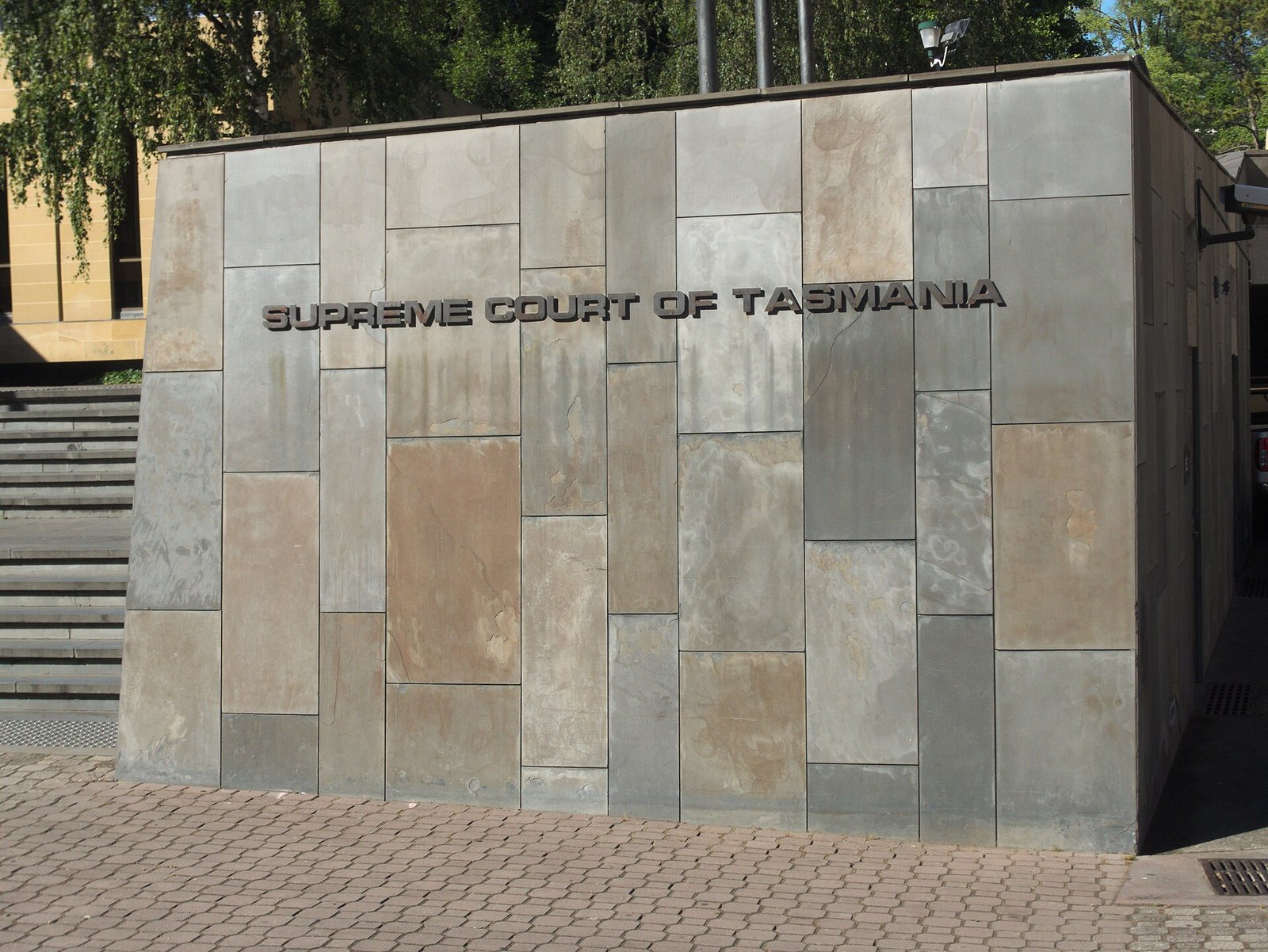
Tasmania’s Parole Board barred Susan Neill-Fraser from publicly claiming she was wrongly convicted, then supported the restriction with a document citing court cases that did not exist. Its secretary used an AI tool to prepare the rationale, and the made-up cases came to light only when her lawyers challenged the condition.
Neill-Fraser has been on parole since 2022, after serving 13 years for the murder of her partner, Bob Chappell. She maintains her innocence. A parole condition therefore governed whether she could speak about the conviction while remaining out of prison.
Timeline
- January 26, 2009 — Bob Chappell disappears from his yacht, the Four Winds, on Hobart’s Derwent River. His body has never been found.
- August 20, 2009 — Police charge Susan Neill-Fraser, his partner of 18 years, with his murder. She is convicted and sentenced to 23 years.
- 2022 — She is released on parole. She has always said she is innocent.
- December 2024 — After she asks whether she may discuss her case, the Parole Board bars her from telling the media she is innocent.
- May 2025 — The board widens the ban to any public statement, including through other people.
- August 2026 — Her lawyers find that a document supporting the ban cites court cases that do not exist. The board withdraws the condition.
- September 15, 2026 — Her lawyer tells the Supreme Court the document was prepared with AI. The court rules the condition invalid.
- September 19, 2026 — Tasmania’s Justice Department says it will review past Parole Board decisions for AI use.
The board first prohibited her, in December 2024, from communicating directly or indirectly with media outlets to claim innocence or wrongful conviction. In May 2025, it replaced that condition with one the Human Rights Law Centre described as more restrictive. The dispute was no longer simply about whether she could give an interview: the later condition reached public claims made through other people, too. Breaking either condition could have sent her back to prison for the rest of her sentence, about seven more years.

Neill-Fraser challenged the restriction. At a September 15, 2026, hearing, her lawyer, Patrick Coleridge, told Tasmania’s Supreme Court that Parole Board secretary Ben Hancock had used AI to prepare a document justifying it. Coleridge said the document “argued forcefully” for the condition while citing case law that was “fictitious” and likely “AI hallucinations”. An AI tool had produced legal authorities that sounded usable but could not be found.
The available court report does not name the tool, list the invented cases or say how many there were. Nor does it establish that the AI-assisted document informed the original December restriction rather than the later condition.
Neill-Fraser’s lawyers identified the nonexistent authorities in August 2026. According to Coleridge’s account to the court, the board met and withdrew the condition that month. The court then made a separate decision on September 15: Justice Stephen Estcourt ruled the condition invalid because it denied Neill-Fraser procedural fairness, was legally unreasonable and created uncertainty. The invented citations surfaced in the challenge, but they were not the court’s sole stated ground for invalidity.
That distinction leaves two failures in view. The board imposed a restriction on what a person could say about her own conviction, and material supporting that restriction contained authorities nobody had checked against real cases. The error became visible because the person subject to the condition had lawyers contest it, a familiar route by which AI-generated legal material gets tested as evidence, but a costly one for the person forced to bring the challenge.
Outside court, Neill-Fraser said she was pleased and relieved. She also said she intended to keep trying to clear her name:
“I cannot walk away from this.”, Susan Neill-Fraser
Sarah Schwartz, legal director of the Human Rights Law Centre, which represented Neill-Fraser, called the board’s use of AI “deeply troubling”. Her objection was concrete: a public authority had used the document while restricting her client’s freedom to speak about her case. Tasmania’s attorney-general, Guy Barnett, called the board’s professional standards “unacceptable” and said he would seek an explanation.
The question now extends beyond this condition. In a September 19 statement, Tasmania’s Justice Department said it would review past Parole Board decisions to find out whether AI had been used and whether it affected outcomes. Greens corrections spokesperson Cecily Rosol objected to the department reviewing its own work and called for an independent inquiry. Barnett subsequently announced an independent investigation into the board’s professional standards.
The review has produced no reported findings yet. Barnett said the investigator and terms of reference would be named once finalised. Those details will determine who examines the past decisions, and how far beyond Neill-Fraser’s case the check reaches.
Further Reading
- ‘AI hallucinations’ in parole board submission scuttles media ban on convicted murderer Susan Neill-Fraser, ABC News reports the court challenge, invented citations and invalidity ruling.
- Tasmania’s Justice Department to review AI use in parole board decisions, ABC News reports the planned review and calls for independent scrutiny.