

New Jersey courts transferred 15 Radaris-linked people-search domains to privacy-removal company Atlas Data Privacy in June and August 2026, after lawsuits alleged the sites ignored removal demands protected by Daniel’s Law. But on September 17, Radaris.net was still publishing searchable U.S. profiles.
Radaris sells reports built from the details people leave behind: names, old addresses, relatives, phone numbers, email addresses and court records. Daniel’s Law was meant to let certain New Jersey officials and their families make those files disappear from commercial databases. Instead, the fight reached the unusual remedy of taking the domains themselves.
The 15 Radaris-linked domain transfers
Daniel’s Law gives New Jersey law-enforcement officers, judges, government employees and their family members a process to demand removal of their personal data from brokers. A company that fails to comply can face a $1,000 fine per violation.
Atlas Data Privacy, a commercial privacy-removal firm, sued Radaris in February 2024. The company alleged that Radaris-family sites continued publishing protected people’s information after removal requests. In June 2026, a default judgment transferred 12 domains; on August 27, the Superior Court transferred Radaris.com, Rehold.com and Trustoria.com, bringing the reconstruction’s total to 15.
| Court outcome | Domains transferred |
|---|---|
| June 2026 default judgment | 12 |
| August 27, 2026 default judgment | 3 |
| Total named in the judgments | 15 |
KrebsOnSecurity reported 14 transferred Radaris-family domains, while P.K. Sharma’s reconstruction of the two judgments identifies 15. The difference is a counting dispute, not evidence that the court left the operation untouched.
The legal ground also shifted shortly before the August judgment. On August 12, the New Jersey Supreme Court held that Daniel’s Law permits actual-damages liability without proof of a broker’s mental state. In other words, a protected person seeking damages need not first establish that a data broker knowingly kept the data online.
“Delaying in court until the last possible minute, and playing shell games with Radaris’s true country of origin and the individuals listed as owners.”
That was Atlas president and CEO Matt Adkisson’s description of Radaris’s litigation conduct. It is also Atlas’s account, from a company that has a commercial stake in the case.
Radaris attorney Victor Worms told KrebsOnSecurity that the company had moved to vacate the August default judgment and intended to appeal. His argument is that Radaris.com is not a legal entity and that the transfer amounts to an unconstitutional forfeiture. A 2018 federal case involving Radaris domains shows why that argument matters: a court granted nonparties relief from an earlier default judgment directing domain transfers.
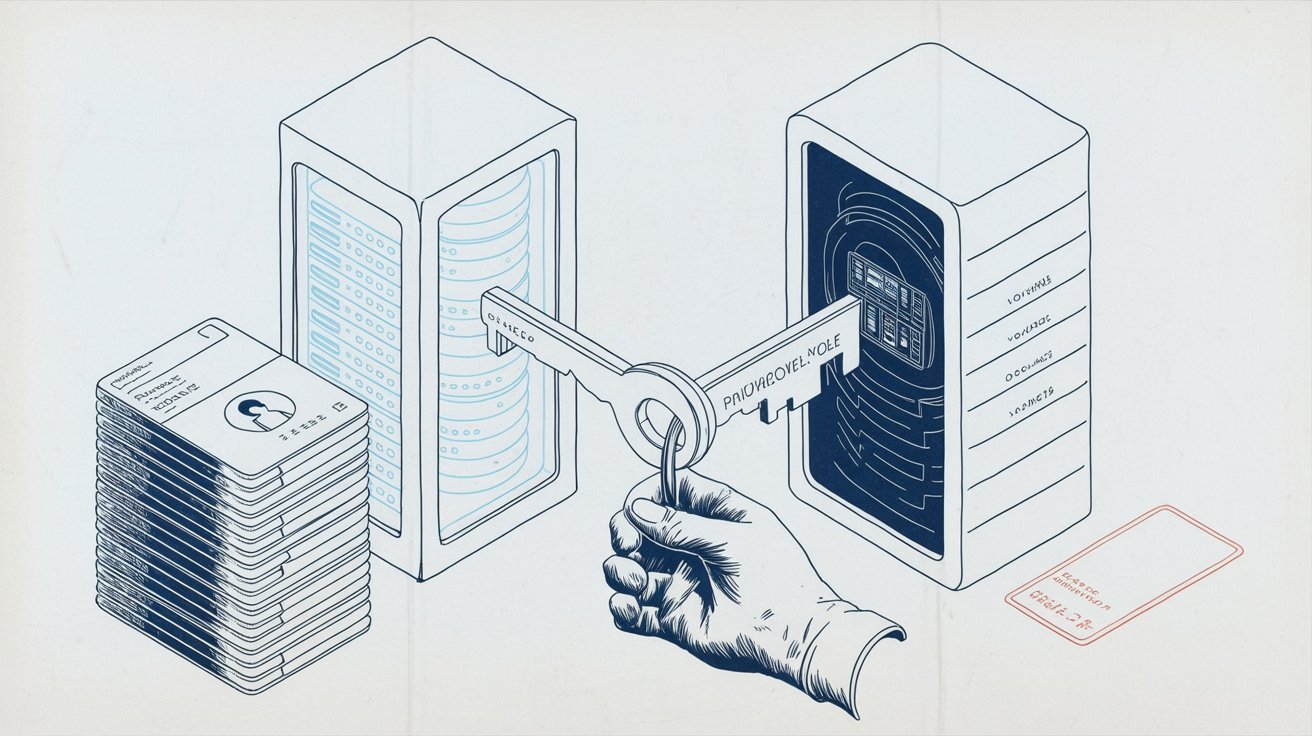
Radaris’s phone-verified removal barrier
The court case was not only about where the domains were registered. It was about a removal process that asked people to hand over more data before they could attempt to take data down.
A peer-reviewed 2024 study of 20 people-search sites found that Radaris required an account, an email address and a phone number for removal requests. Researchers could remove no more than six selected data points, not the profile returned in search results. Removing a phone number or address did not erase the page advertising the person.
That is a particularly awkward design for a privacy product. The person asking a broker to stop displaying their details first has to create a new account and supply contact information the broker can associate with the profile.
DeleteMe, a competing removal service, said in July 2025 that Radaris required people to verify additional “public mentions” by text message. It also said one phone number could be used for verification only once, limiting automated removal services and people trying to claim more than one profile.
The 2024 findings record what researchers observed at the time and may not capture later site changes. But they describe the underlying business problem with people-search sites: a profile can be a saleable product even after some of its individual fields have been removed. That is the same incentive structure behind the data-broker market for sensitive inferences: the valuable thing is not one fact, but the assembled dossier.
The person asking a broker to stop displaying their details first has to create a new account and supply contact information the broker can associate with the profile.
The people-search network still operating
The transfers did disrupt the named sites. Radaris.com displayed an Atlas transfer notice. Yet Radaris.net remained online and served U.S. people-search profiles on September 17; its terms identified Dilangi, Inc., of Majuro in the Marshall Islands, as the operator.
That means the judgments did not establish that the larger people-search operation had stopped. A domain seizure hurts an address, brand recognition and search traffic. It does not automatically erase the underlying databases, affiliate arrangements or other domains.
Atlas told KrebsOnSecurity that litigation emails placed Radaris.com revenue at roughly $42,000 per month, Veripages revenue at about $45,000 monthly through Lifetime Value Company, and a Radaris-family OneRep partnership at as much as $25,000 monthly. Those figures are Atlas’s description of internal emails, not independently audited financial disclosures.
The operation’s value comes from treating ordinary identity details as inventory. A driver’s licence, address or past phone number can become a durable trail long after its original purpose has passed, why identity documents become permanent privacy risks. Courts can transfer a domain; making a person’s information stay removed requires reaching the network behind it.
A 2023 Illinois proposed class action alleged that Radaris used Illinois residents’ identifying information in free-preview pages to market paid subscriptions without written consent. Those are allegations, not court findings. But the New Jersey case has already produced a far more concrete result: 15 domain names now belong to the company suing to remove the data, while another Radaris domain continues to publish it.
Key Takeaways
- New Jersey default judgments transferred 15 Radaris-linked domains to Atlas Data Privacy in June and August 2026.
- Daniel’s Law gives covered New Jersey officials and their families a right to demand removal from commercial data brokers.
- A 2024 academic study found that Radaris required an account, email address and phone number for removal requests.
- The researchers could remove selected data fields from Radaris, but not the people-search profile itself.
- Radaris.net was still serving U.S. people-search profiles on September 17, 2026.
Further Reading
- Data Broker Radaris Loses Domains in Privacy Fight, KrebsOnSecurity’s reporting on the litigation, domain transfers and Radaris’s response.
- Atlas Data Privacy Corp. v. We Inform, LLC, New Jersey Supreme Court decision on actual-damages liability under Daniel’s Law.
- What to Expect When You’re Accessing: An Exploration of User Privacy Rights in People Search Websites, Peer-reviewed study of access and removal processes at people-search websites.
- Court seized 15 Radaris domains. Radaris.net kept serving profiles, Reconstruction of the two judgments and the continuing availability of Radaris.net.
- Why can’t Deleteme remove all of my information from Radaris?, DeleteMe’s explanation of Radaris phone-verification limits.
- Ducksworth v. Radaris, LLC, Class Action Complaint, Illinois complaint alleging nonconsensual use of identifying information in subscription marketing.