
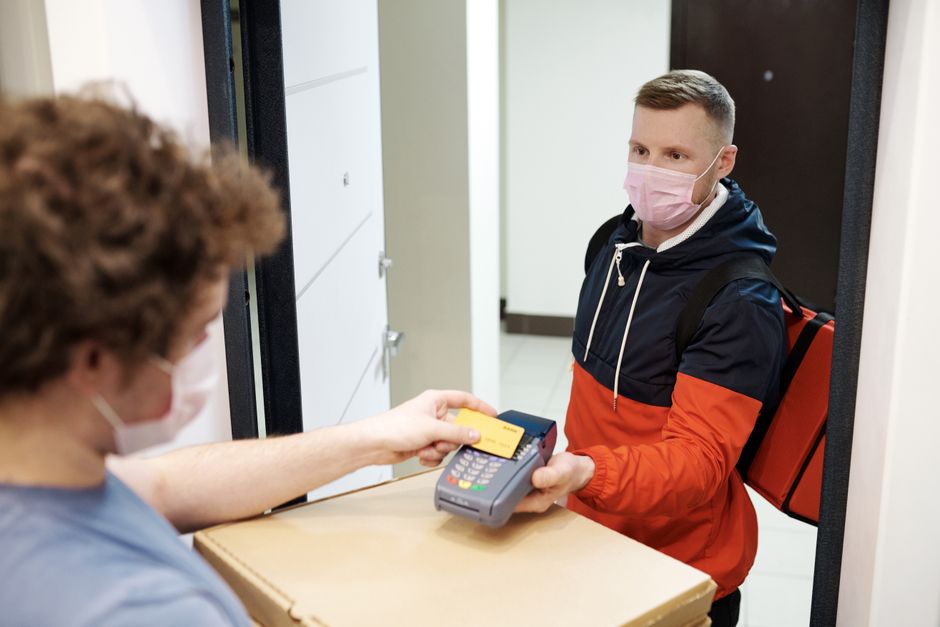
DoorDash will pay more than $115 million to over 260,000 New York City delivery workers after the city found that its pay system left out some of the time workers spent available for, or carrying out, deliveries. The September 22, 2026, settlement totals $131.5 million, including penalties and enforcement costs.
A courier could be logged into the app, waiting for an order or completing parts of a trip, while DoorDash’s calculation did not count that time toward the city’s delivery-worker minimum-pay rule. The settlement now requires DoorDash to count specified on-call and trip time, and lets the city inspect its pay data for three years.
New York City’s Department of Consumer and Worker Protection, or DCWP, said DoorDash also failed to pay some Dashers at all or paid them late. Workers affected between April 22, 2022, and June 28, 2026 do not need to file a claim: the agency identified them through DoorDash’s records, and a settlement administrator will contact them by email in late October.
Mayor Zohran Mamdani called the conduct more than an administrative slip.
“This was not a rounding error or an accidental mistake,” Mamdani said. “Today, after years of corporate greed and impunity, we are holding DoorDash to account.”
, Mayor Zohran Mamdani, via Fast Company
The pay calculation that excluded on-call and trip time
New York City introduced its minimum-pay rule for app-based food couriers in December 2023. As of September 2026, delivery apps must pay workers at least \$22.13 an hour before tips, with the rate set to rise annually.
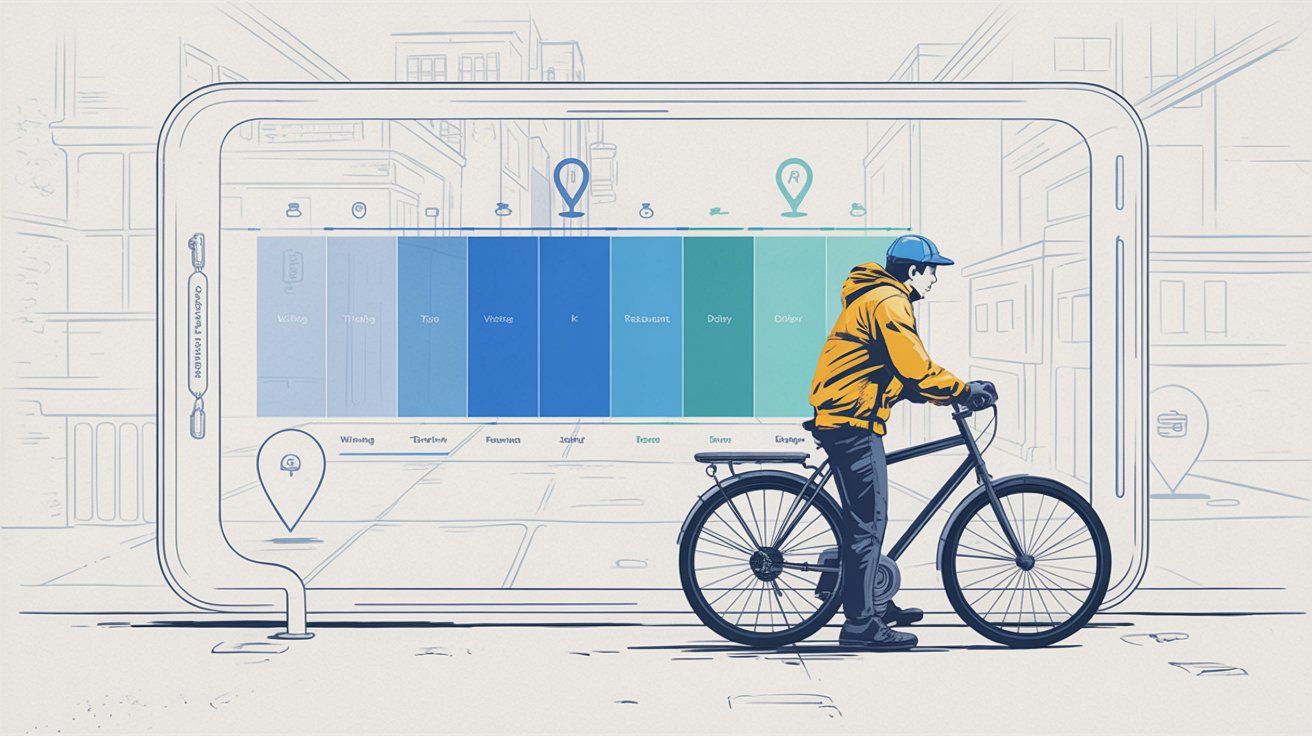
DCWP said DoorDash raised its nominal hourly rate when the rule began, but excluded categories of compensable time, time the city says must count toward the minimum, from the calculation. That meant time spent on certain trips and periods when a worker was on call could exist in the app’s operational record without fully existing in the pay record.
The settlement requires a software change with a blunt consequence: DoorDash cannot offer a New York City delivery unless the worker’s time is recorded as compensable on-call or trip time. It must also submit monthly pay data to DCWP for three years.
DoorDash disputes the city’s calculation for online time between deliveries, though it agreed to use the city’s method going forward. The company attributed many late or missing payments to technical bugs, complicated deliveries, cancellations, and incomplete banking details; that is DoorDash’s own account of the failures.
This is not the platform’s first New York payout over how its system treated workers’ earnings. In February 2025, DoorDash agreed to \$16.75 million in restitution after the state attorney general said its 2017-2019 pay model used customer tips to offset money DoorDash had guaranteed workers. The newer settlement concerns the city’s minimum-pay rule rather than tips, but both cases turn on the same practical fact: a payment screen is not necessarily a payment calculation. That gap is also why readers should ask where delivery-app fees actually go, rather than assuming every listed charge reaches the person doing the delivery.
The money is substantial in aggregate and uneven for individuals. City figures put worker restitution above \$115 million; divided across more than 260,000 workers, that is about \$442 per worker on average, using the city’s restitution total and worker count. But individual payments will vary sharply. Compensation for late or nonpayment is calculated at roughly 200% of the amount withheld, and DCWP Commissioner Samuel Levine said some workers could receive more than \$10,000.
DoorDash estimates about 264,000 recipients and a median payment of roughly \$48. Its own public breakdown lists \$12.3 million for underpaid or late-paid Dashers and more than \$83 million for the online-time calculation, figures that do not fully reconcile with the city’s stated worker-restoration total.
The first round of notices is scheduled for late October 2026, and a smaller second payment round is planned for early 2027. DoorDash’s new calculation, meanwhile, begins before the money arrives: New York City deliveries can no longer be offered under the old timekeeping method.
Key Takeaways
- DoorDash agreed to a \$131.5 million New York City enforcement settlement on September 22, 2026.
- More than \$115 million is designated for delivery workers, while more than \$16 million covers penalties and costs.
- DCWP found that DoorDash excluded categories of on-call and trip time from its minimum-pay calculation.
- Eligible workers do not need to submit claims because DCWP identified them through DoorDash records.
- DoorDash must provide monthly pay data to the city for three years and use the city’s compensable-time method.
Further Reading
- Mayor Mamdani Wins Record $131.5 Million From DoorDash for Delivery Workers, NYC’s announcement of the settlement, payment calculation, and monitoring terms.
- NYC Settlement With DoorDash, DCWP’s worker-facing eligibility and payment information.
- DoorDash to pay $131M for underpaying delivery workers in New York City, Independent reporting on the city’s allegations and DoorDash’s response.
- Arreglamos las cosas: nuestro acuerdo con la ciudad de Nueva York, DoorDash’s account of the agreement and estimated payment recipients.
- Settlement with DoorDash over unpaid tips, The New York attorney general’s separate 2025 settlement over DoorDash’s prior tip-offset model.