
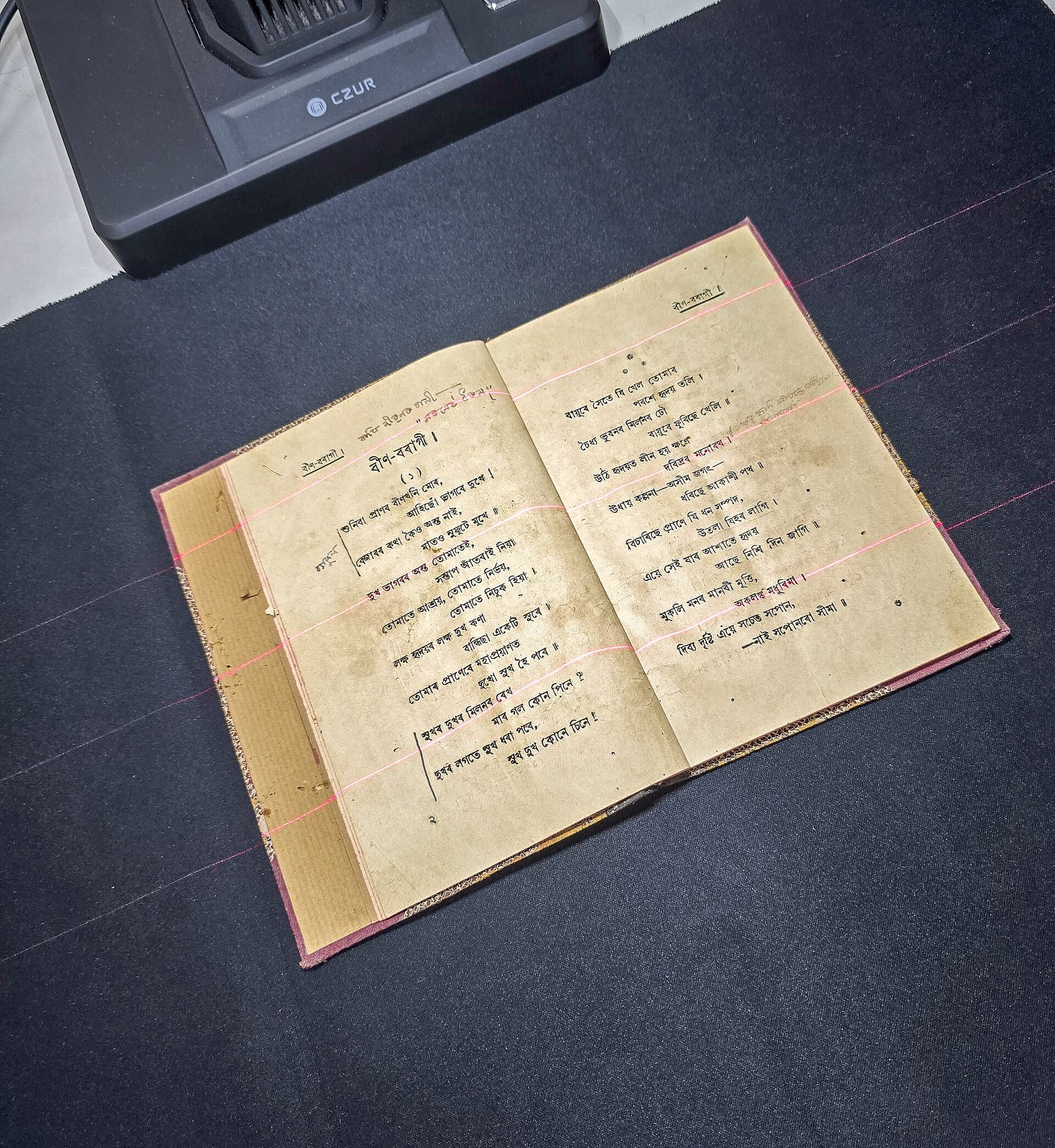
Anthropic did buy, cut up, and scan millions of print books for Claude, according to Judge William Alsup’s June 23, 2025 order. The same order drew the key legal line: scanning books Anthropic had purchased was fair use, but downloading and keeping more than seven million pirated book copies from LibGen and PiLiMi created the core copyright liability.
That means the viral version of the Anthropic book-shredding controversy is only half the story. The court did not condemn the destructive scanning itself; it condemned the separate pirate library Anthropic had assembled first.
Judge Alsup’s 2025 ruling on scanned print books and pirated downloads
Judge William Alsup of the Northern District of California wrote that Anthropic “spent many millions of dollars to purchase millions of print books”, then removed the bindings, cut the pages to fit scanners, digitized them, and discarded the paper originals. The public order does not give a precise total for the scanned books, but “millions” is the court’s own word.
By contrast, the same ruling states that Anthropic downloaded “at least five million” books from LibGen and “at least two million” from PiLiMi. That is more than seven million pirated copies in the record, and Alsup treated that conduct differently because those copies were acquired without buying the books at all.
“Anthropic had no entitlement to use pirated copies for its central library.”, Judge William Alsup, June 23, 2025 order
The legal distinction was blunt. Purchased print books could be transformed into searchable digital files for training-related use without replacing the market for the originals, in Alsup’s view. But pirated downloads were infringing copies from the moment Anthropic acquired and stored them. Put less formally: buying a book and scanning it was one fight; hoovering up shadow-library files was another, and the worse one.
Project Panama’s bulk book buying, cutting, scanning, and recycling
The internal effort was called Project Panama, according to The Washington Post’s January 27, 2026 report. The Post reported that Anthropic worked through used-book suppliers and a scanning vendor that proposed processing 500,000 to two million books over six months. The report said the final number scanned and total cost were redacted in the filings it reviewed.
That Post reporting fills in the mechanics behind Alsup’s otherwise spare description. The workflow, as reported, was: buy books in bulk, remove covers and bindings, slice pages for high-speed scanning, digitize them, then recycle the paper. It was less a library than a feedstock pipeline.
Some later coverage has described the books as rare or out of print. But Alsup’s order and The Washington Post report do not establish how many, if any, fit those categories. The distinction: “millions of books” is the court’s documented wording; “millions of rare books” is not.
Anthropic’s scanning project also sat inside a larger legal mess covered in the company’s wider legal and policy backlash. The court order describes a “central library” built from both sources: books Anthropic lawfully bought and scanned, and books it unlawfully downloaded from pirate datasets.
The $1.5 billion settlement and what liability remained
After the June fair-use order, Judge Alsup certified a class on July 17, 2025, for authors whose books were included in LibGen and PiLiMi, as Publishers Weekly reported. That class ruling mattered because it kept the damages fight focused on the pirated-copy side of the case.
The reported financial endpoint was a proposed $1.5 billion settlement, described on the settlement FAQ site for authors whose books were allegedly included in datasets Anthropic downloaded. The settlement materials frame the class around copyrighted books contained in pirated datasets, not around the purchased print books Anthropic later scanned itself.
So the cleanest answer is also the least cinematic. Yes, Anthropic really did cut up millions of books. But the public court record says the legally expensive part was not the guillotine; it was the seven-million-plus pirated files already sitting on the server.
The next public milestone in the case was the settlement process described on the official FAQ site, including claimant deadlines and court approval steps.
Key Takeaways
- Judge William Alsup’s June 23, 2025 order says Anthropic bought and destructively scanned millions of print books.
- The same public ruling does not give a precise total for the purchased books scanned.
- Court records mirrored by Justia say Anthropic downloaded at least five million LibGen books and at least two million PiLiMi books.
- Alsup found the purchased-book scanning fair use but held that storing the pirated copies created copyright liability.
- The Washington Post reported Project Panama vendor documents covering 500,000 to two million books over six months, while noting the final totals were redacted.
Further Reading
- Bartz v. Anthropic PBC, Order on Fair Use, June 23, 2025, Primary court order on purchased-book scanning, fair use, and Anthropic’s research library.
- Bartz v. Anthropic PBC, Fair Use Order mirror, Mirror of the same order with the documented LibGen and PiLiMi download counts.
- The Washington Post: Anthropic ‘destructively’ scanned millions of books to build Claude, Additional reporting on Project Panama’s suppliers, vendor proposal, and scan workflow.
- Publishers Weekly: Judge rules class action suit against Anthropic can proceed, Report on the July 17, 2025, class-certification ruling.
- Anthropic copyright settlement FAQ, Settlement-site overview of the class and claims process.
Frequently Asked Questions
Did Anthropic really cut up millions of books?
Yes. Judge William Alsup’s June 23, 2025 order says Anthropic spent “many millions of dollars” to buy and scan “millions of print books,” after stripping bindings and discarding the originals. The public order confirms the practice but does not publish a precise book count.
How many books are actually documented in court?
For purchased print books, the public court order documents only “millions of print books”. For pirated digital libraries, the record is more specific: at least five million LibGen books and at least two million PiLiMi books, or more than seven million total. The Washington Post added a vendor proposal for 500,000 to two million books over six months but said final totals were redacted.
Why was scanning bought books treated differently from downloading LibGen?
Alsup found the scanning of purchased books to be fair use because Anthropic had bought the physical copies and then transformed them into digital files for internal use. He treated LibGen and PiLiMi differently because those were pirated copies Anthropic had no right to acquire or retain. The legal split turned on source and ownership, not on whether a scanner blade was involved.
What was Project Panama?
Project Panama was the internal Anthropic effort, reported by The Washington Post, to buy books in bulk and convert them into training-ready digital files. The reported process was to source used books, cut off bindings, scan pages at speed, and recycle the paper. The Post said key totals and costs in the filings it reviewed were redacted.
What happened after the fair-use ruling?
Judge Alsup certified a class on July 17, 2025 for authors whose books were in LibGen and PiLiMi. The dispute then moved toward a reported $1.5 billion settlement process, centered on the allegedly pirated datasets rather than the bought-and-scanned print books.
References
- Judge William Alsup, 2025, Bartz v. Anthropic PBC Order on Fair Use
- Judge William Alsup, 2025, Bartz v. Anthropic PBC Fair Use Order mirror
- The Washington Post, 2026, Anthropic ‘destructively’ scanned millions of books to build Claude
- Publishers Weekly, 2025, Judge rules class action suit against Anthropic can proceed
- Anthropic copyright settlement FAQ
Last reviewed: 2026-08